


- Wynn Home Design UX Design
- User Account Dashboard UX Design
- User Account Activity UX Design
- Notifications Experience UX Design
- Fios Navigation Frontend Development
- Save Brass Web Development
- Fios Design System Frontend Development
- Life on Fios Frontend Development
- Outfit Barn Web Development
- Dog & Meow Web Development
- Waist Shaper Co Web Design
- Monterey Web Development
- Daily Kix Web Development
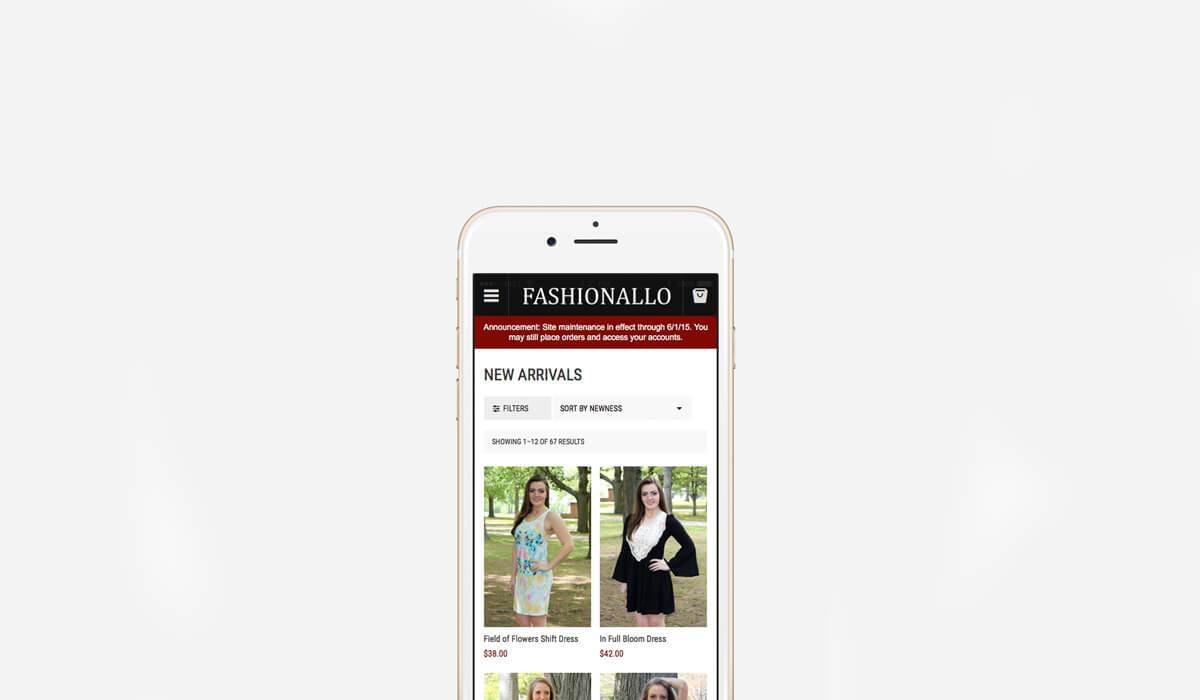
- Fashionallo Web Development
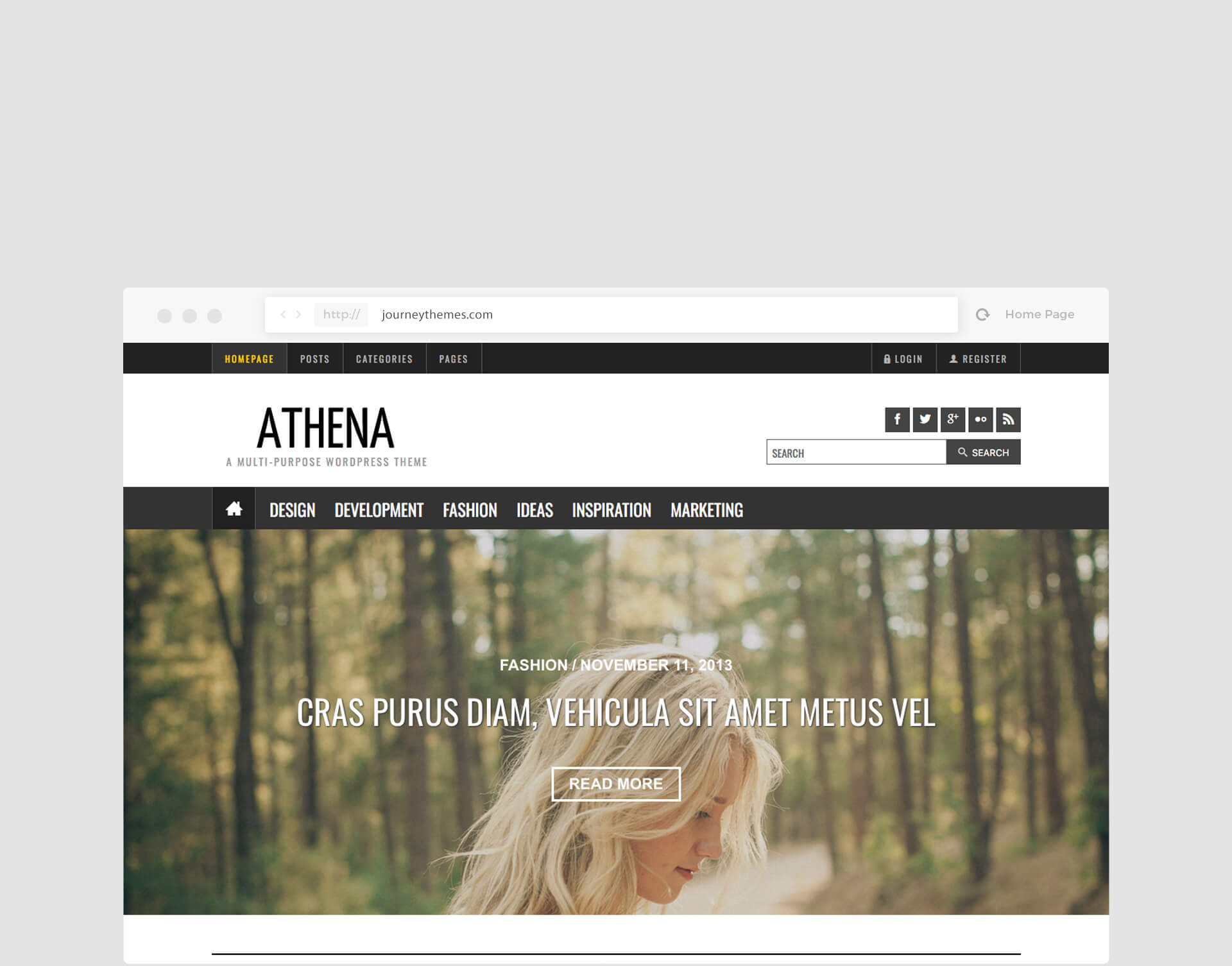
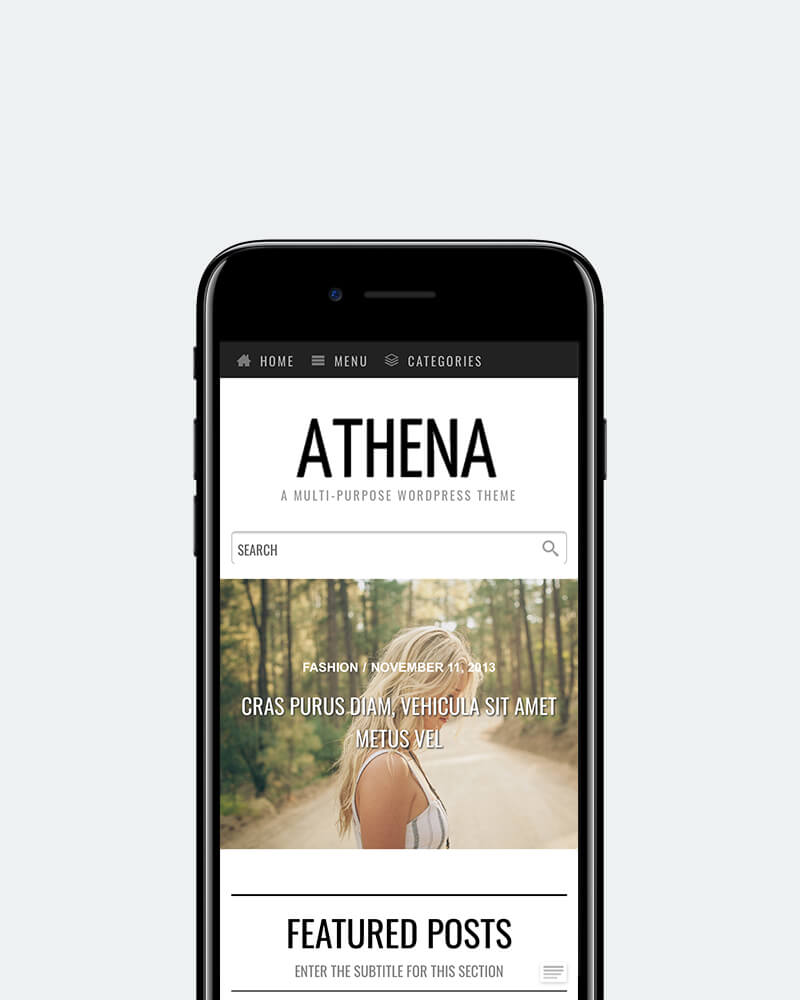
- Athena Web Development
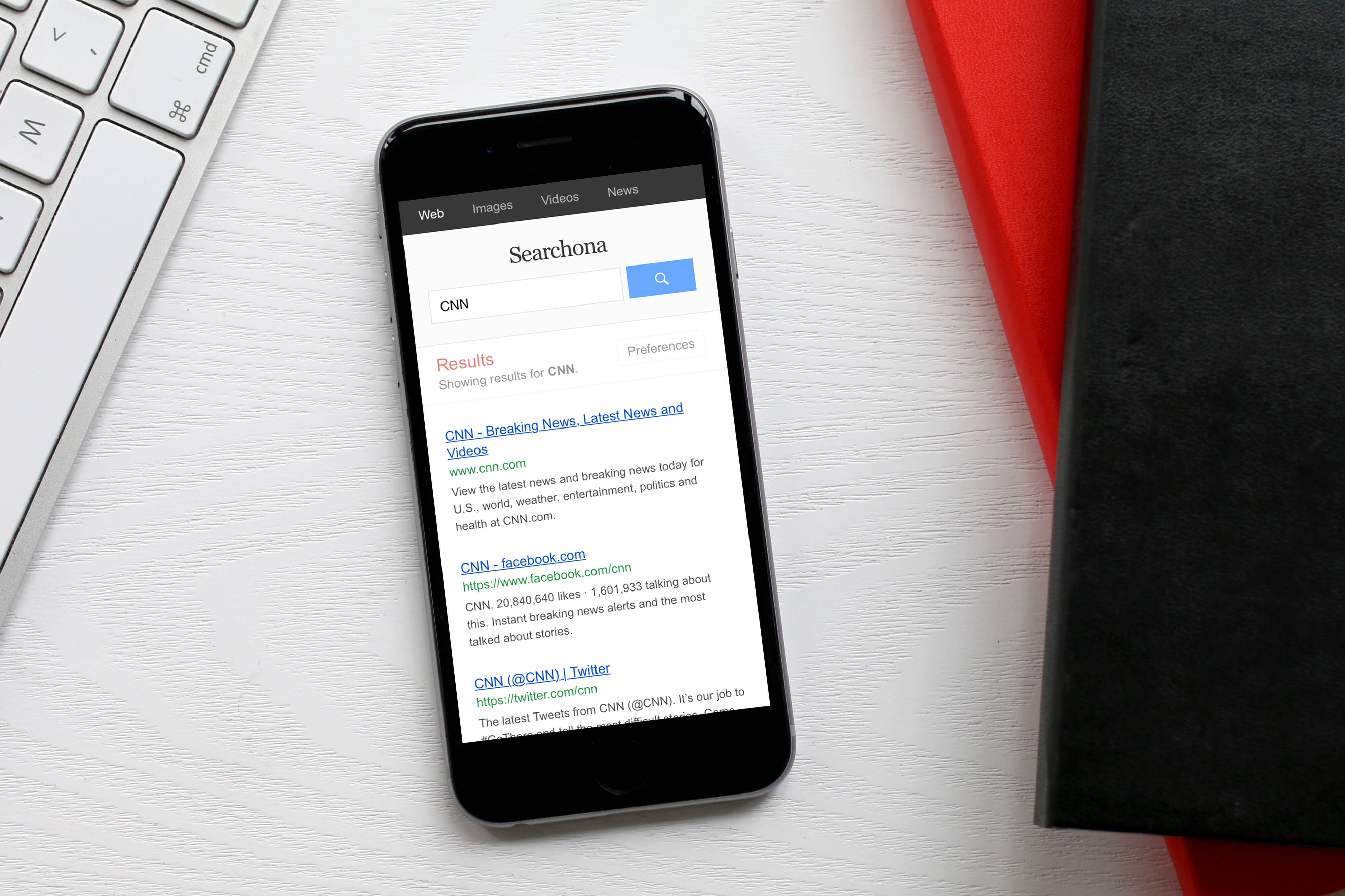
- Searchona Web Development
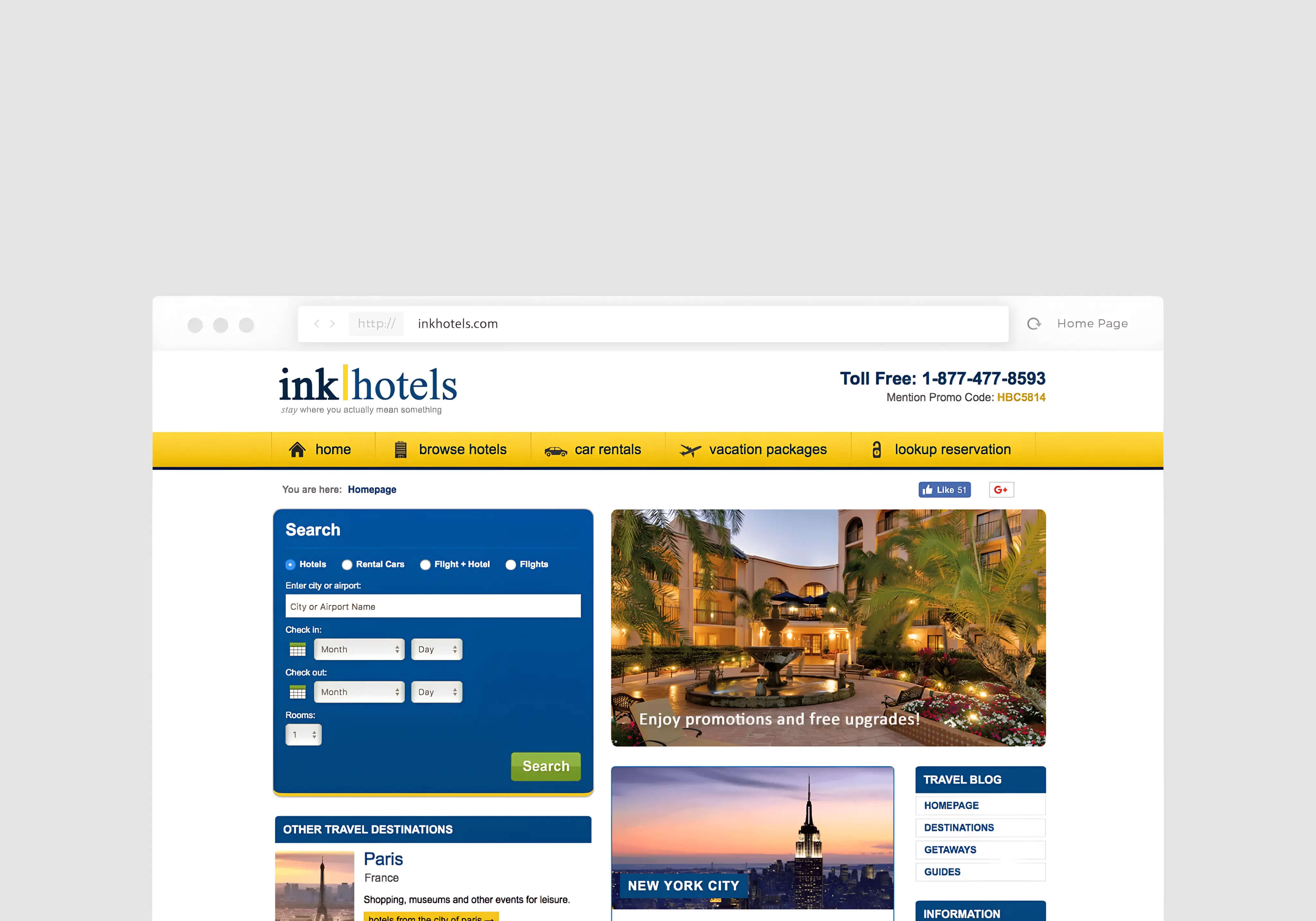
- InkHotels Web Design
Design and Development
Athena
01 Background
For a blogger or online magazine, the WordPress theme is not just a visual wrapper around content. It shapes how that content is experienced, how much of it readers consume, and whether the site feels like something worth taking seriously. A film reviewer who spent hours crafting a detailed breakdown deserved a theme that could present it with the same care. A photographer running a travel blog needed image display options that honored the work. A niche publisher building a community around their writing needed tools to make readers feel at home and keep them coming back.
These were not problems that most free WordPress themes were built to solve. The publishing use case has specific requirements that go well beyond a clean homepage: post type flexibility, reader engagement mechanics, editorial presentation controls, community features. Journey Themes asked me to build a theme that addressed all of it, for the people who needed it most, at no cost.
Company
Journey Themes
Timeline
9 months (2013–2014)
Role
Full Stack Developer
Platforms
Desktop Web, Mobile Web
Stack
HTML, Javascript, JQuery, CSS, PHP (Custom WordPress Theme Development)
Tools
VS Code, Sketchapp, Invision, Github
02 Idea
Publishing well requires more than a text editor.
Content creators building serious blogs and publications ran into the same wall: the features that made a site feel intentional were locked behind paid themes. A custom review rating module. A related posts system that kept readers engaged after finishing an article. A properly integrated lightbox for image-heavy posts. Social sharing built into the reading experience rather than bolted on as an afterthought. These were not luxury features. They were the baseline for a publication that wanted to be taken seriously.
Without them, publishers were forced to cobble together functionality from disparate plugins, accept inconsistent visual results, and present their work in a frame that often undermined its quality. The content was strong. The container was not.
The core problem
Great content deserves a theme built to present it properly, not one that gets out of the way and hopes for the best.
03 Solution
Twelve features built for how publishers actually work.
Athena was designed around the real workflow of a content creator: writing different types of posts, presenting images and media thoughtfully, keeping readers engaged beyond the article they came for, and building a community around the work over time. Every feature in the theme addressed a specific limitation that publishers had been working around.
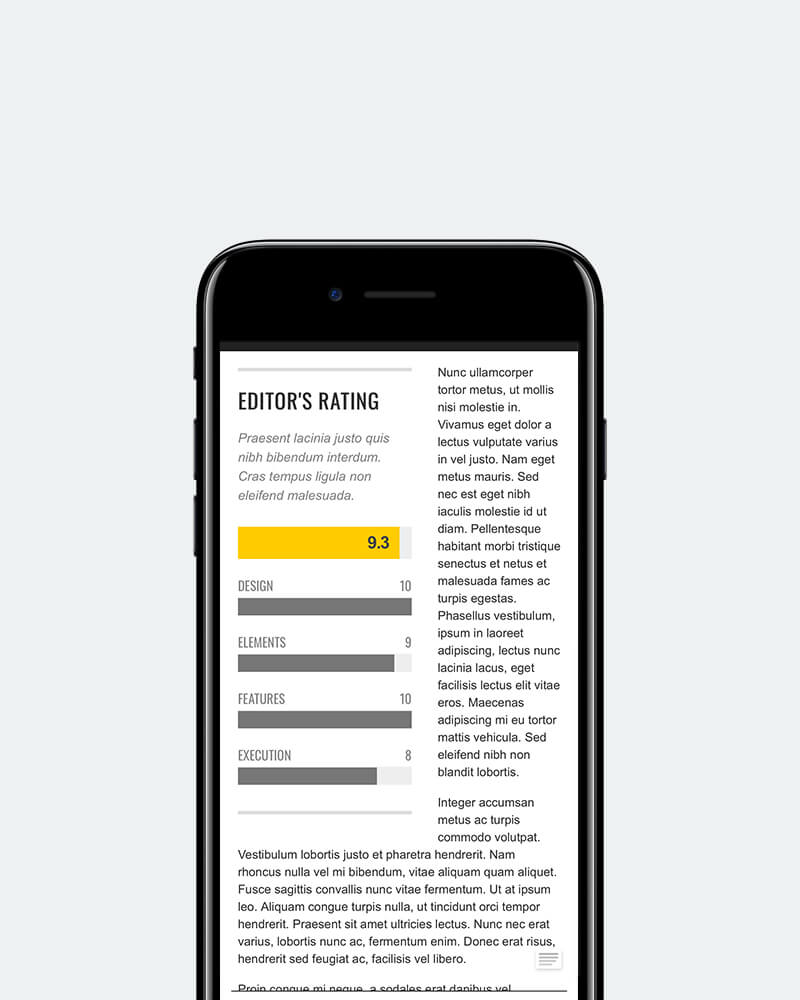
Reviews
Custom rating and review module
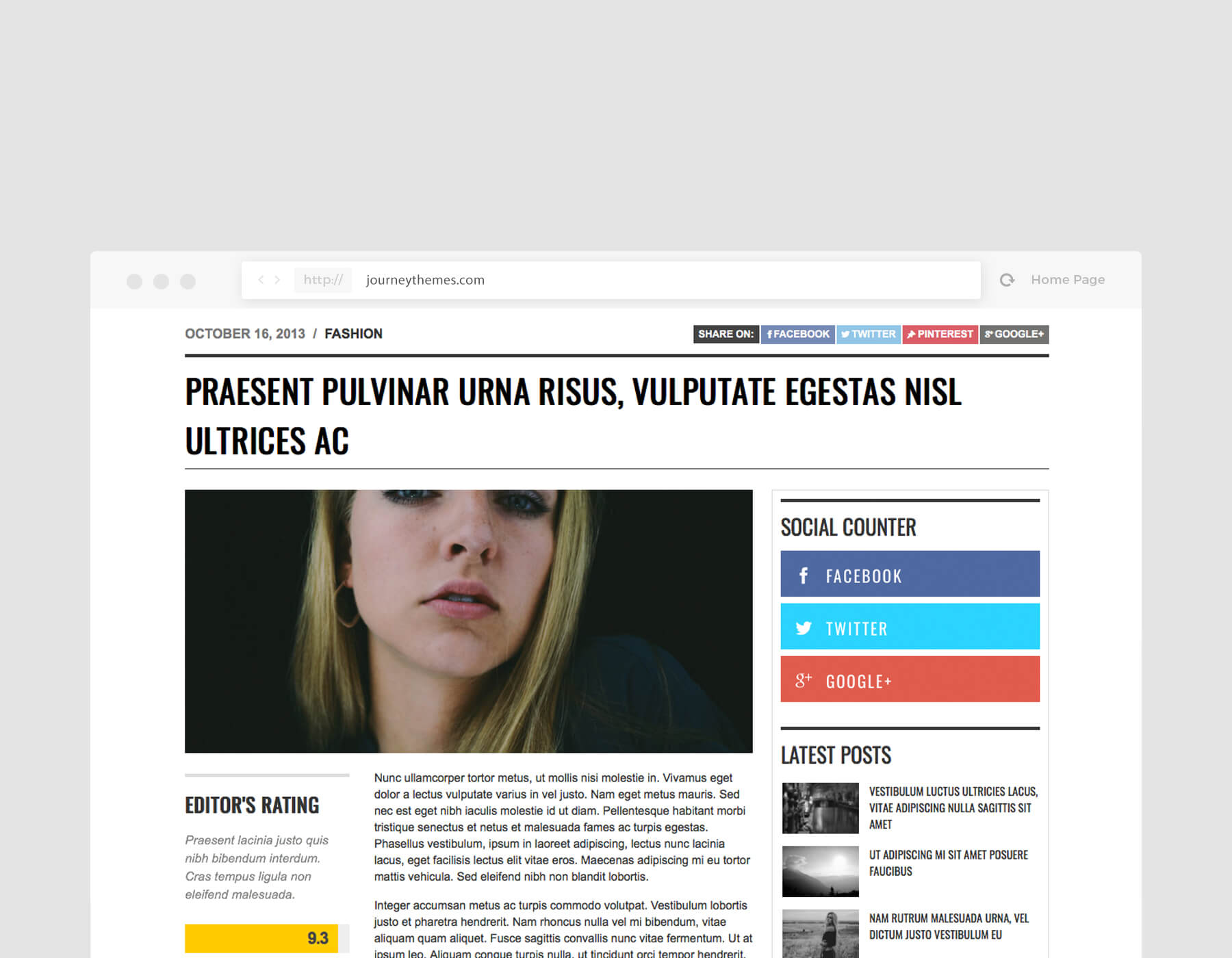
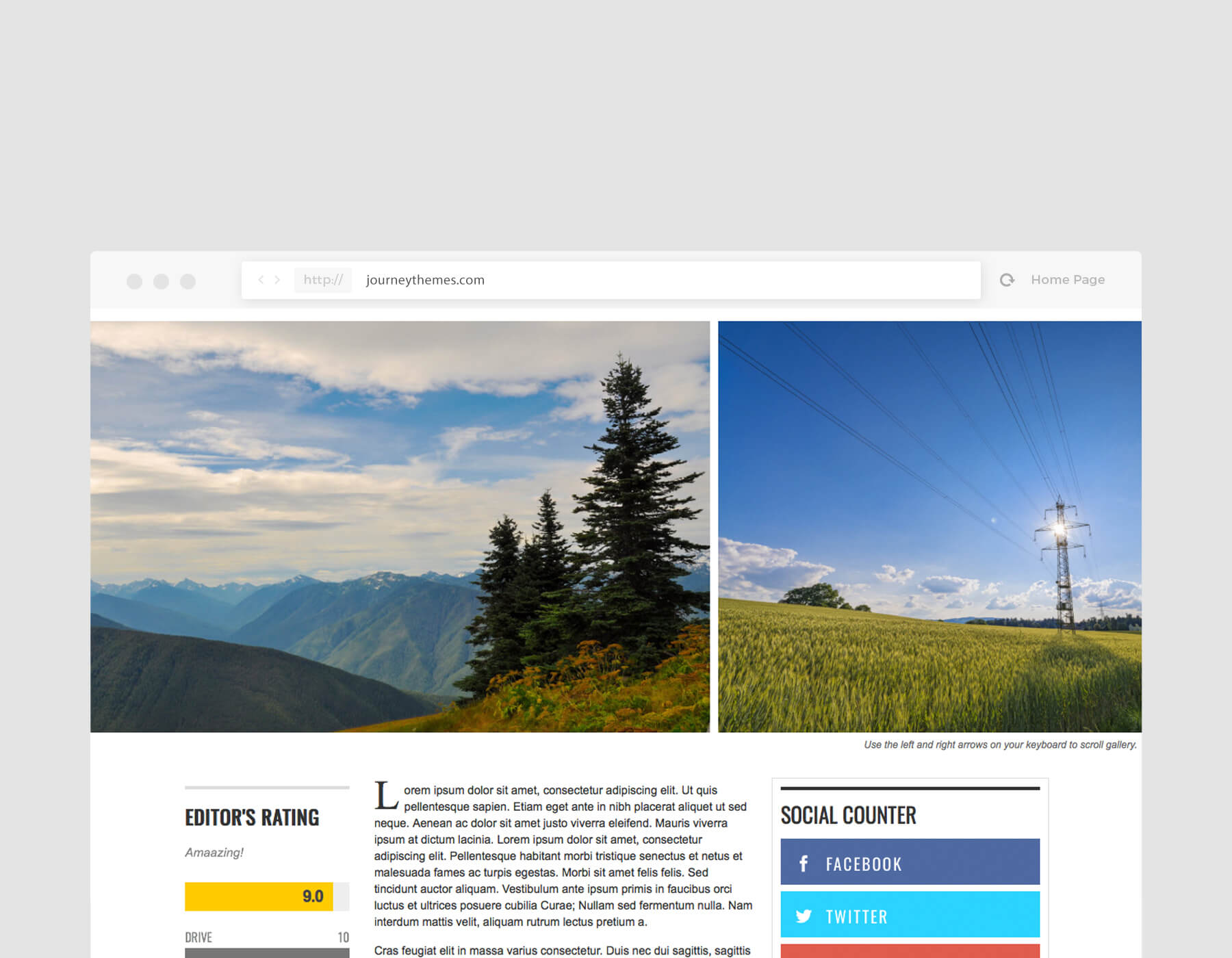
A built-in rating breakdown module letting publishers score content across multiple criteria, giving review posts the structured, detailed presentation they deserved without any plugin dependency.
Engagement
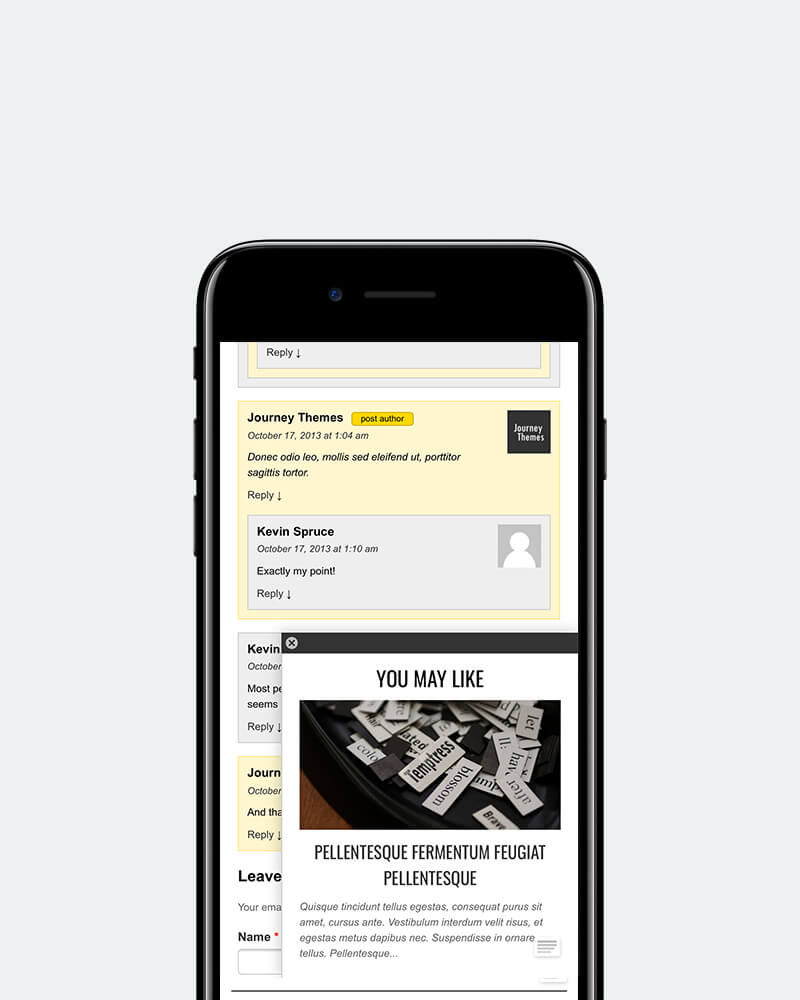
Related posts slider
A slide-out panel that surfaced related articles the moment a reader finished the current one, offering a natural next step rather than a dead end at the bottom of the page.
Navigation
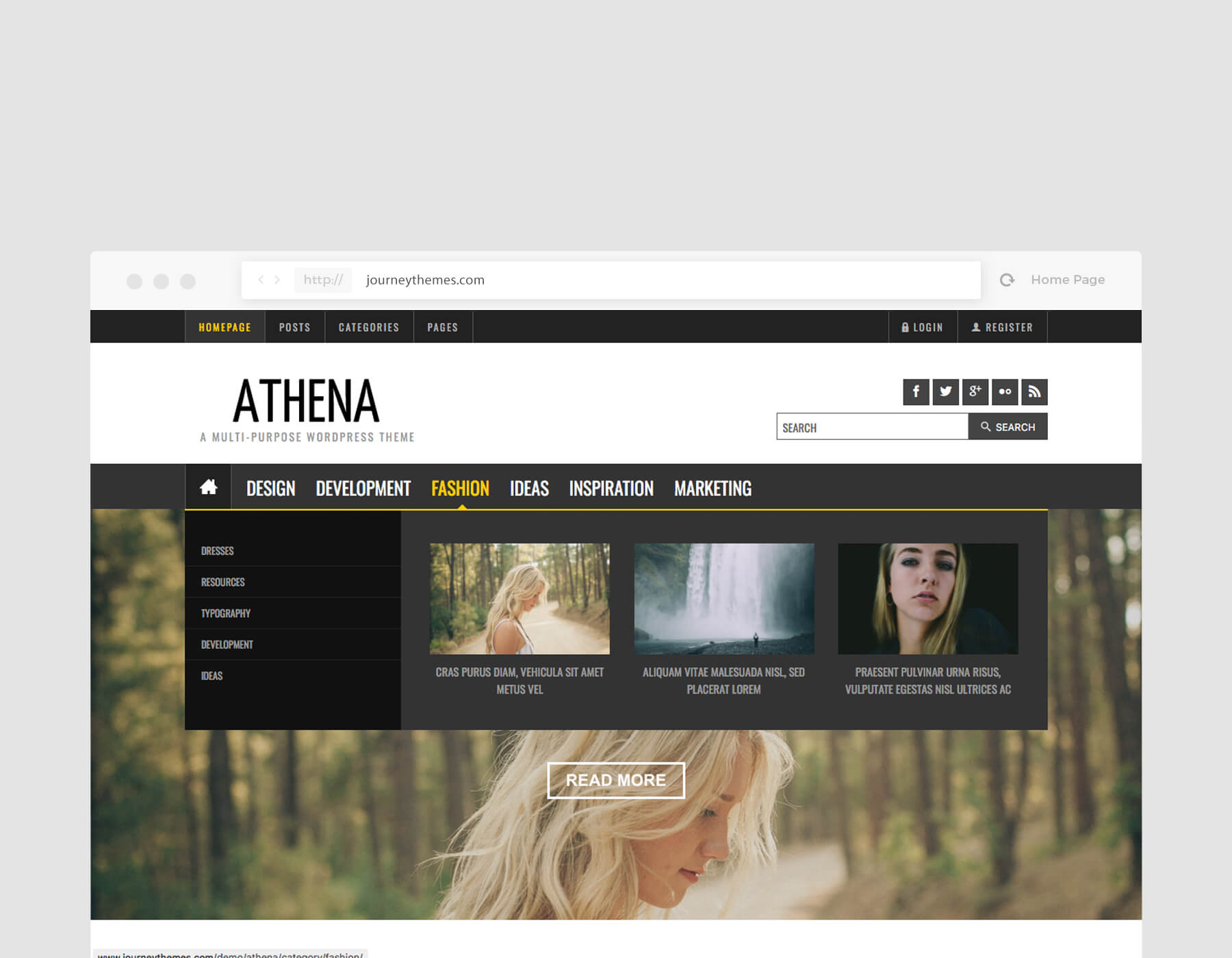
Multiple dropdown menu styles
Different dropdown configurations to accommodate everything from a simple single-author blog to a multi-category magazine with layered navigation needs.
Social proof
Social counter module
A display module showing follower counts across social platforms, letting publishers surface their audience as credibility on the site rather than asking readers to go looking for it.
Community
Custom commenting template
A redesigned comment section that felt native to the theme's visual language, inviting discussion rather than presenting it as a functional afterthought below the content.
Media
Integrated lightbox
A native lightbox for image viewing within posts, giving photographers and visual publishers a clean full-screen experience without the usual plugin compatibility headaches.
Media
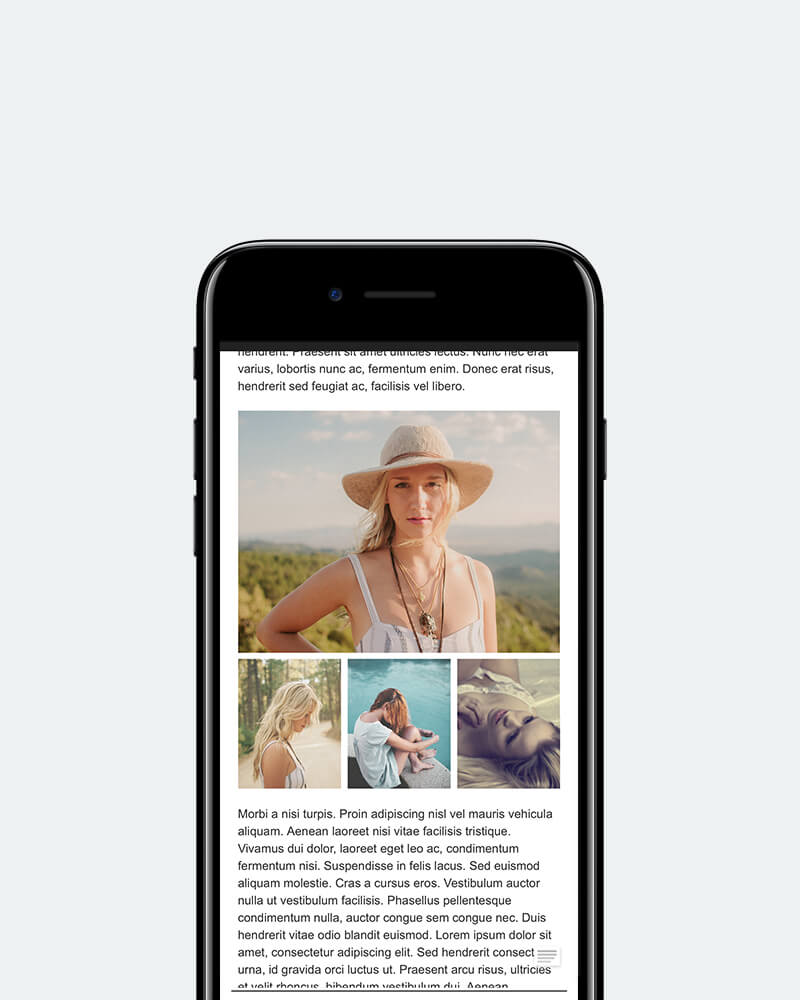
Multiple image display options
Flexible image presentation within posts, from standard inline to full-width and carousel, so the format could match the content rather than the other way around.
Homepage
Integrated hero slider
A homepage hero slider for featuring top content prominently, giving new visitors an immediate sense of the publication's range without needing to scroll to understand what it was about.
Distribution
Social sharing buttons
Clean, integrated share controls built into the reading experience on every post, making it easy for readers to send content to their own audiences without interrupting the flow of the page.
Access
Frontend login and register popup
A modal login and registration flow that kept readers on the page rather than routing them to a separate screen, removing a common point of drop-off for sites with member content.
Media
Full-width image carousel
An optional full-width carousel format for posts, giving photo-heavy content an immersive presentation mode that felt editorial rather than functional.
Flexibility
Multiple post type templates
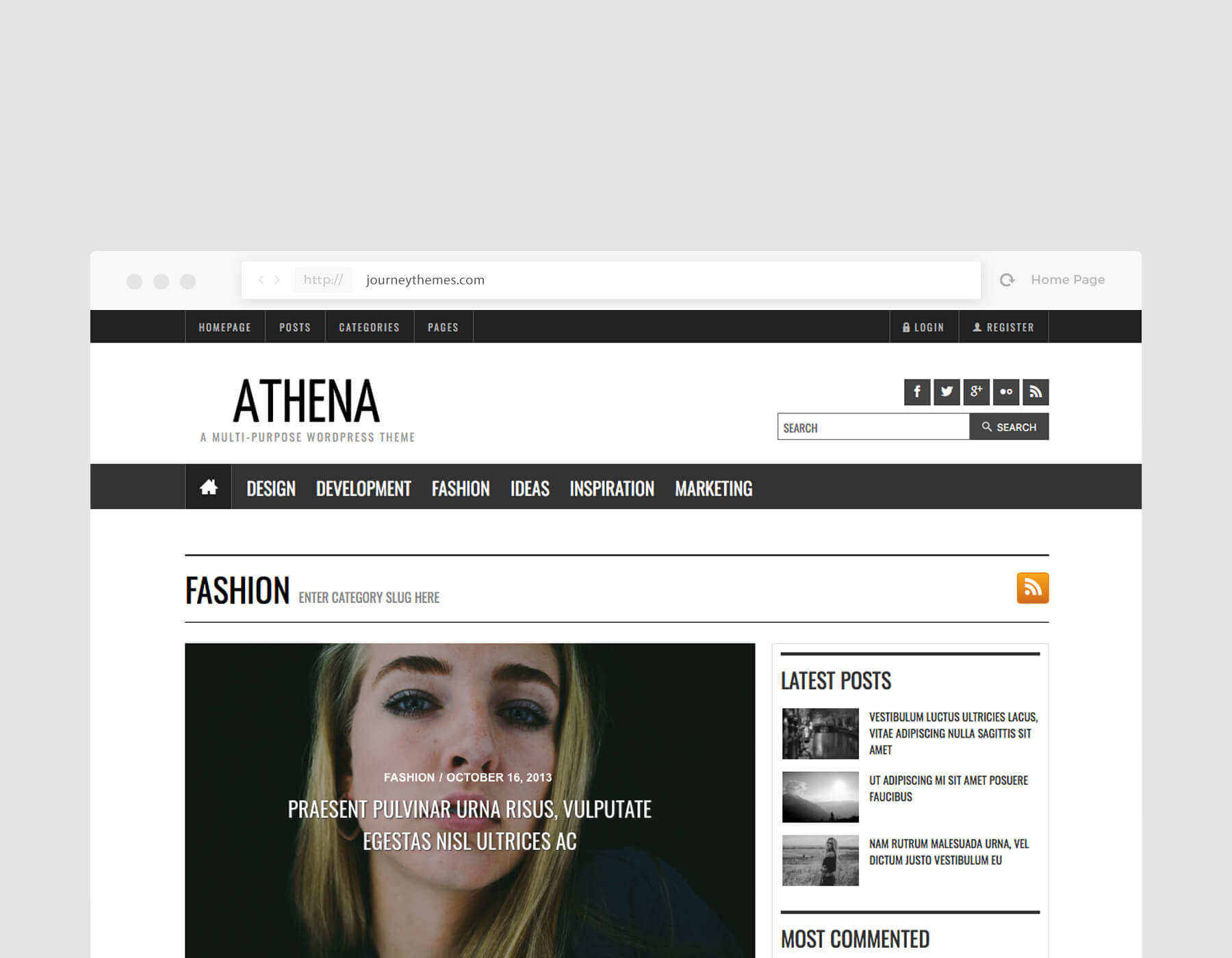
Different layout templates for different content formats, so a review, a photo essay, a standard article, and a video post each had a presentation built for what they were rather than a one-size-fits-all container.
04 My role
Designed for the publisher. Built to stay out of the way.
I designed and developed Athena end to end for Journey Themes. The design challenge was different from a commerce theme. A publishing theme has to feel editorial without feeling rigid, flexible without feeling generic. The typography, the spacing, the way images sit within a post, the visual hierarchy between a headline and its body copy: all of it contributes to whether a site built on the theme feels like a publication or a template. Getting that right required thinking like a reader, not just like a developer.
The custom module work was the most technically involved part of the build. The rating module, the related posts slider, and the social counter were all built natively into the theme rather than handed off to plugins, which meant designing each one to fit the theme’s visual language exactly and integrating them cleanly with WordPress’s template and hook architecture. Each module had to work out of the box and be configurable without code.
That last requirement shaped everything. Every feature had to be accessible through the WordPress Customizer or theme settings by someone who had never opened a code editor. A blogger should be able to install Athena, configure the features that suited their publication, and focus entirely on writing. The theme’s job was to make the work look as good as it deserved to look, and then disappear.