

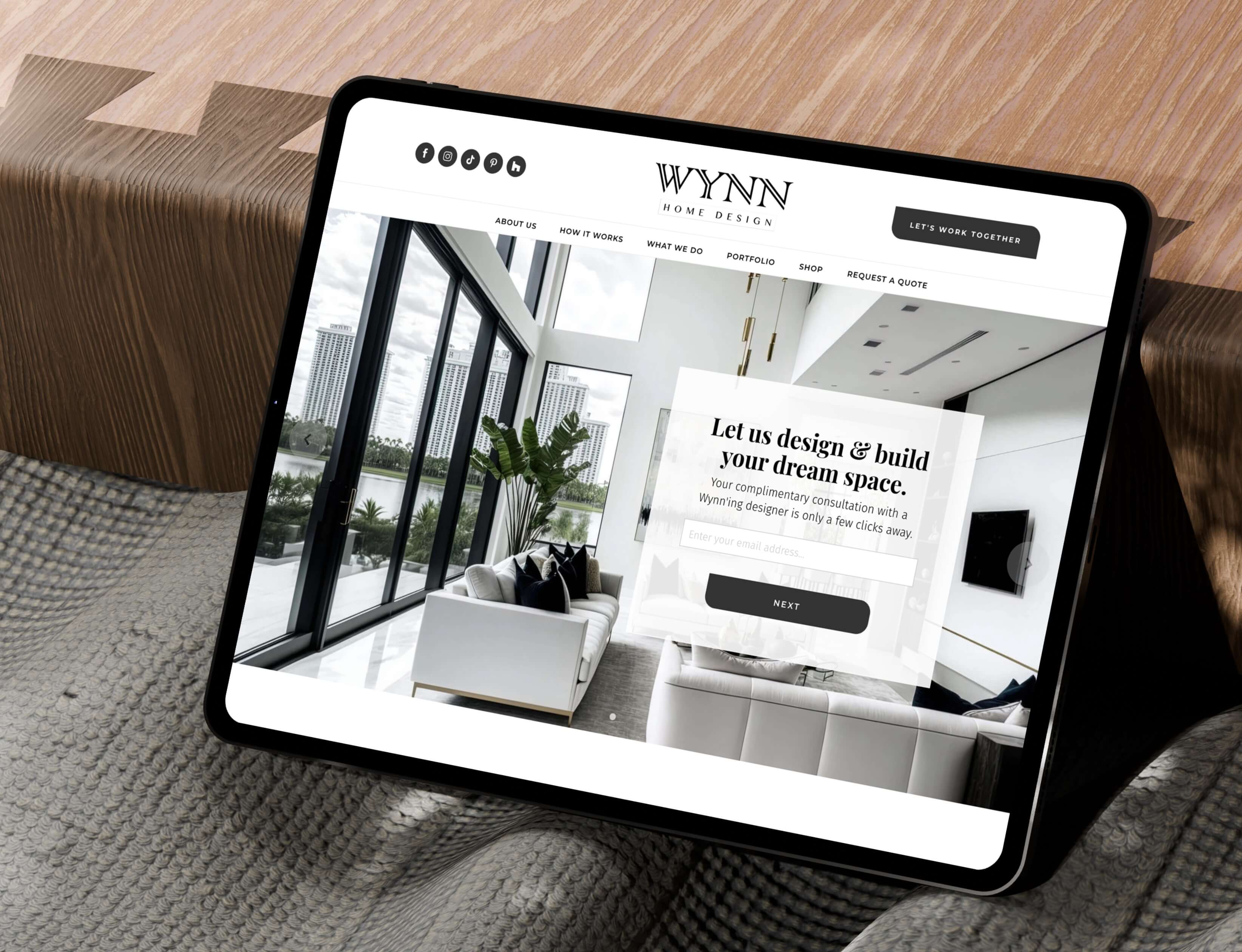


- Wynn Home Design UX Design
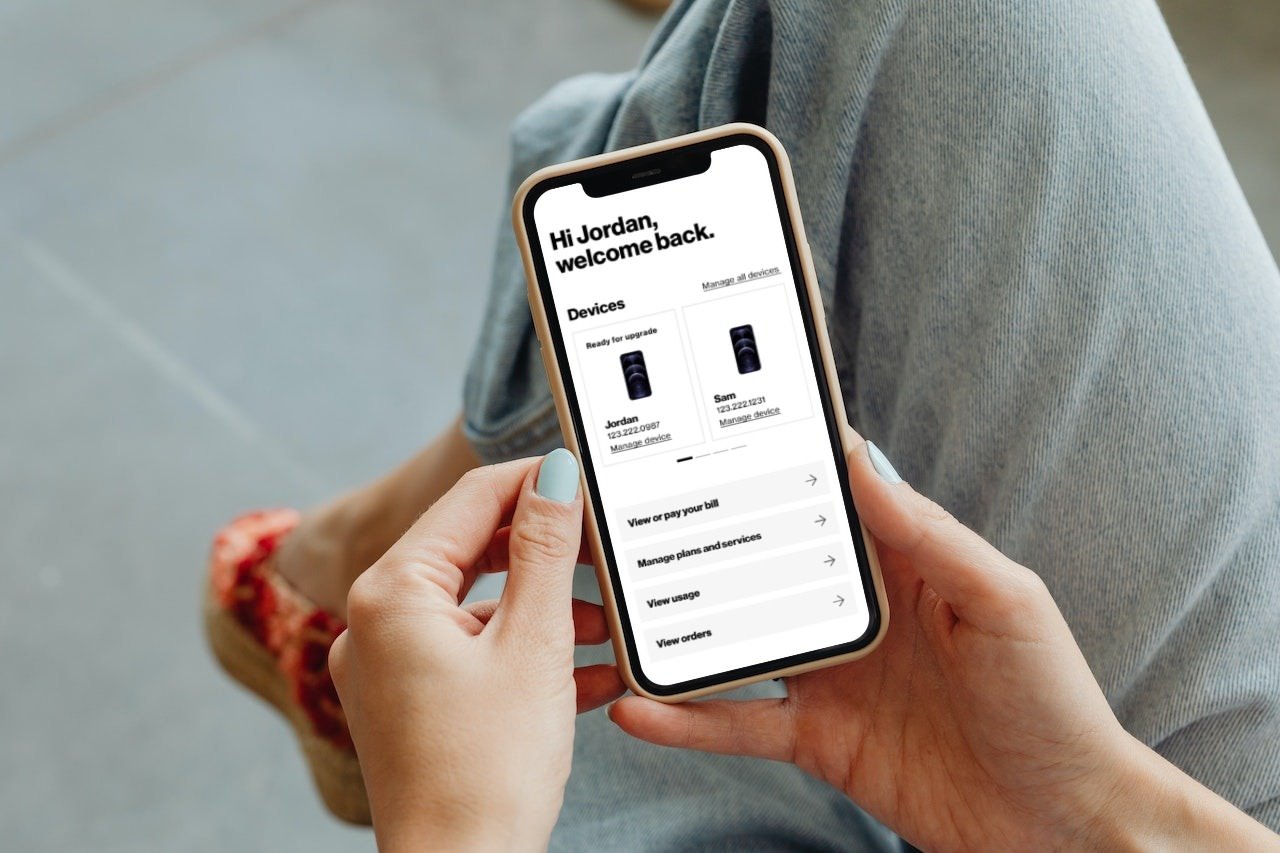
- User Account Dashboard UX Design
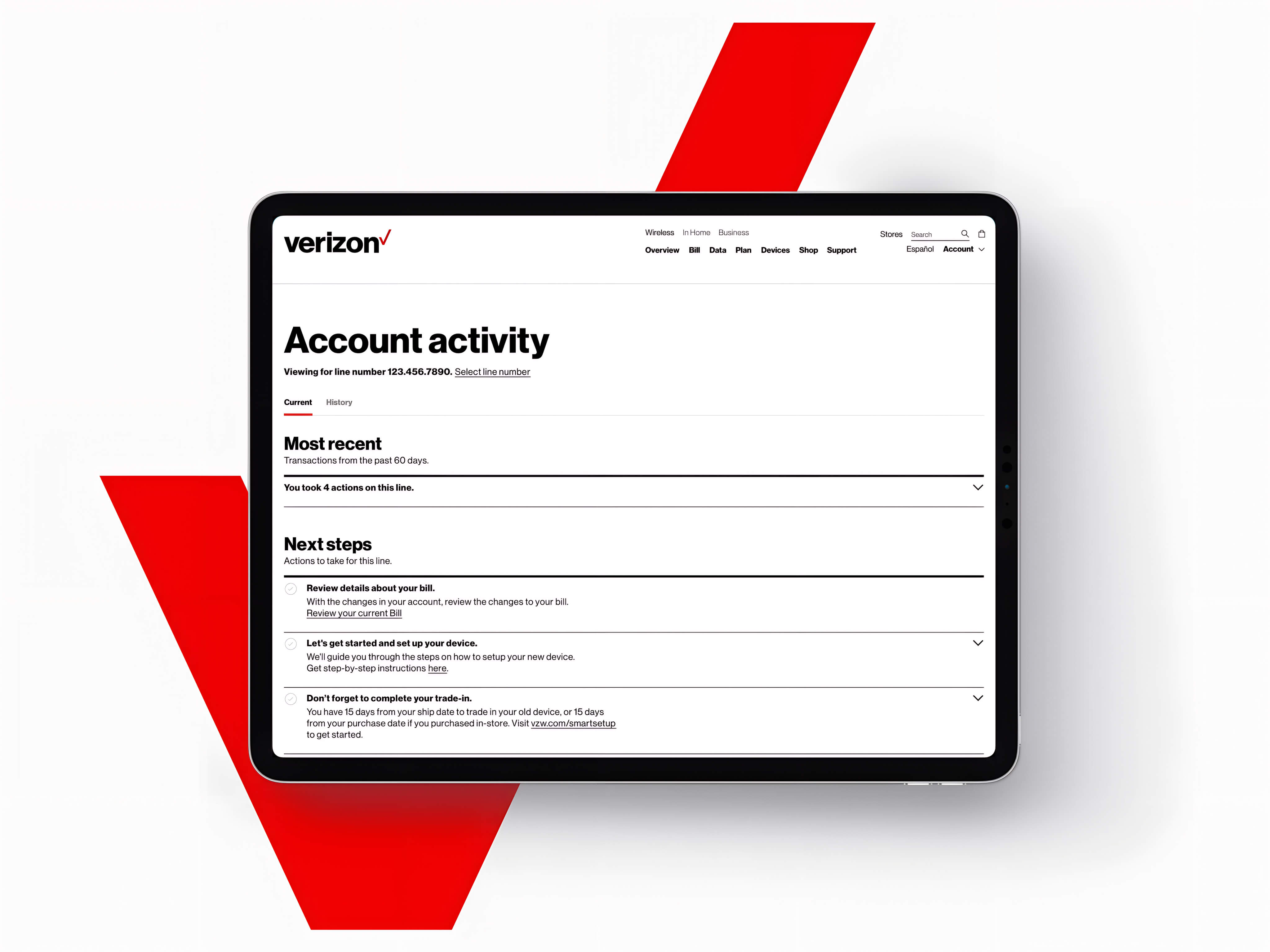
- User Account Activity UX Design
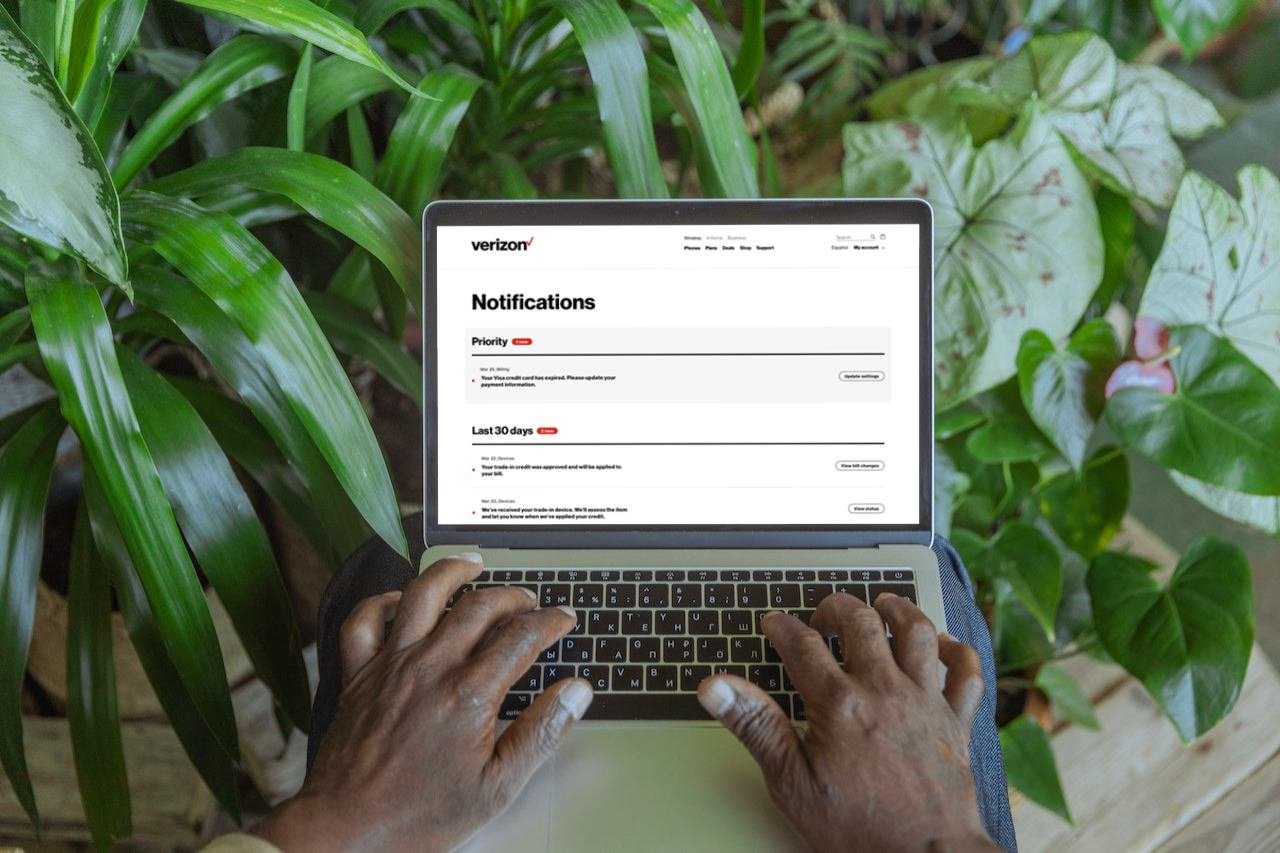
- Notifications Experience UX Design
- Fios Navigation Frontend Development
- Save Brass Web Development
- Fios Design System Frontend Development
- Life on Fios Frontend Development
- Outfit Barn Web Development
- Dog & Meow Web Development
- Waist Shaper Co Web Design
- Monterey Web Development
- Daily Kix Web Development
- Fashionallo Web Development
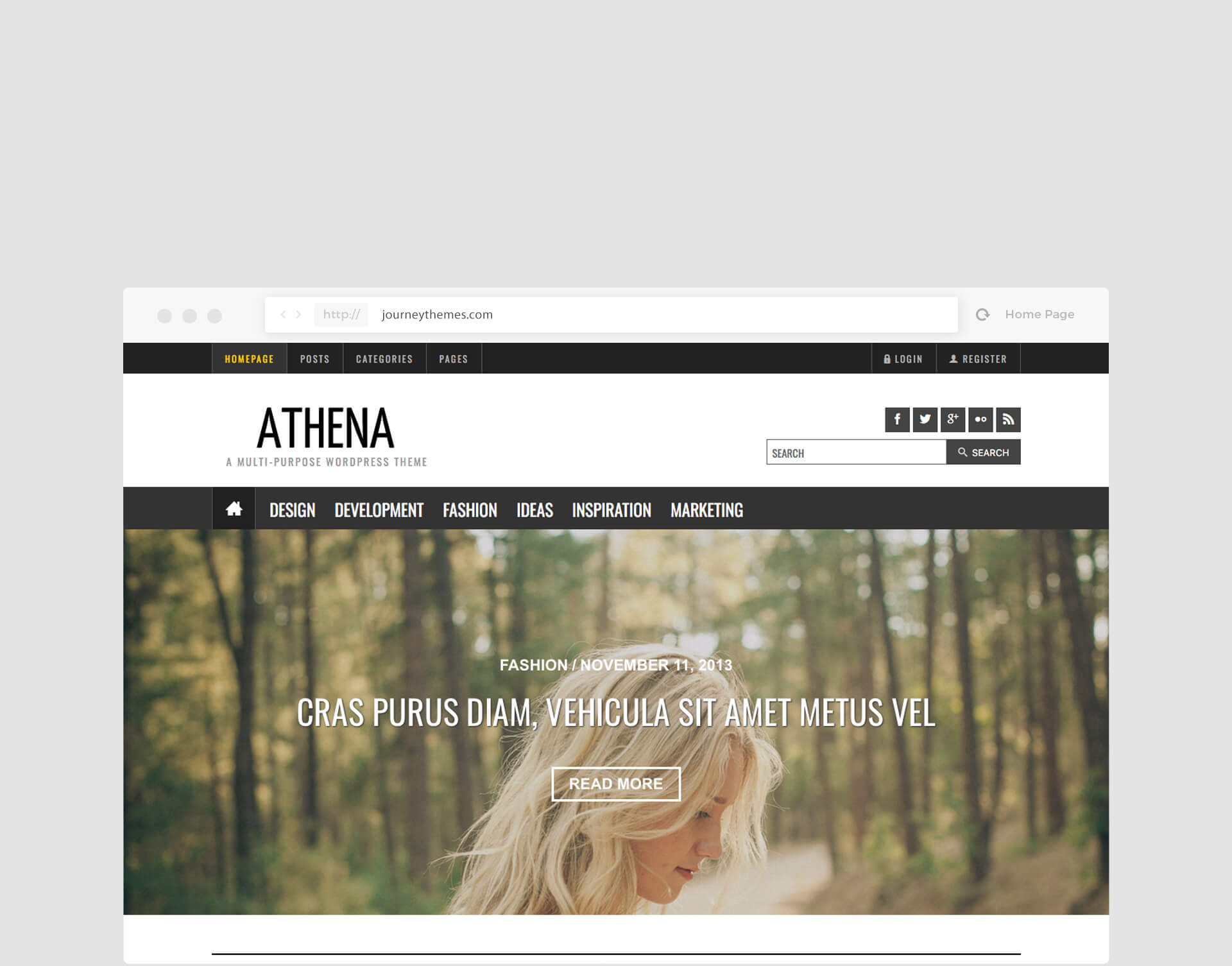
- Athena Web Development
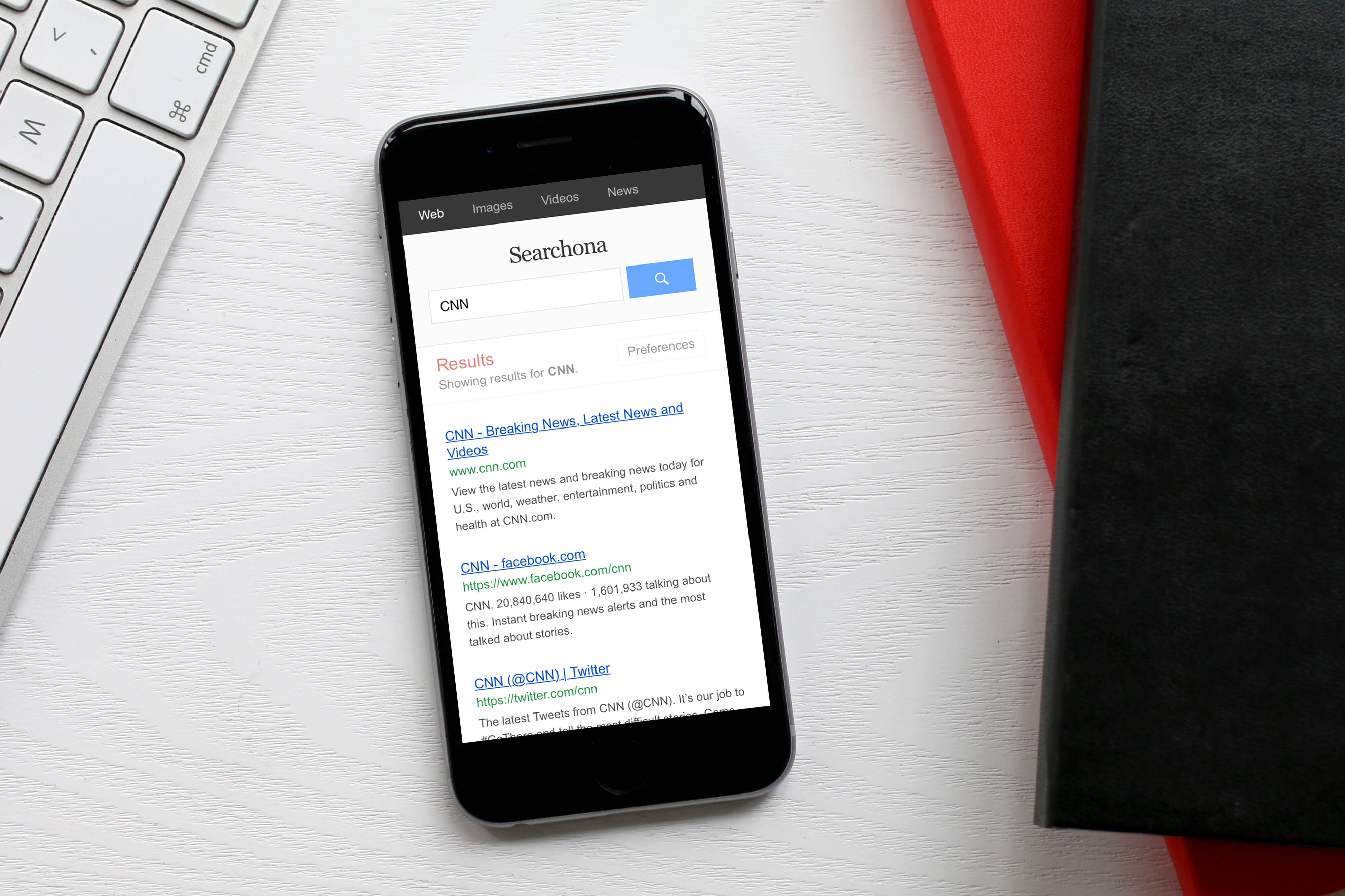
- Searchona Web Development
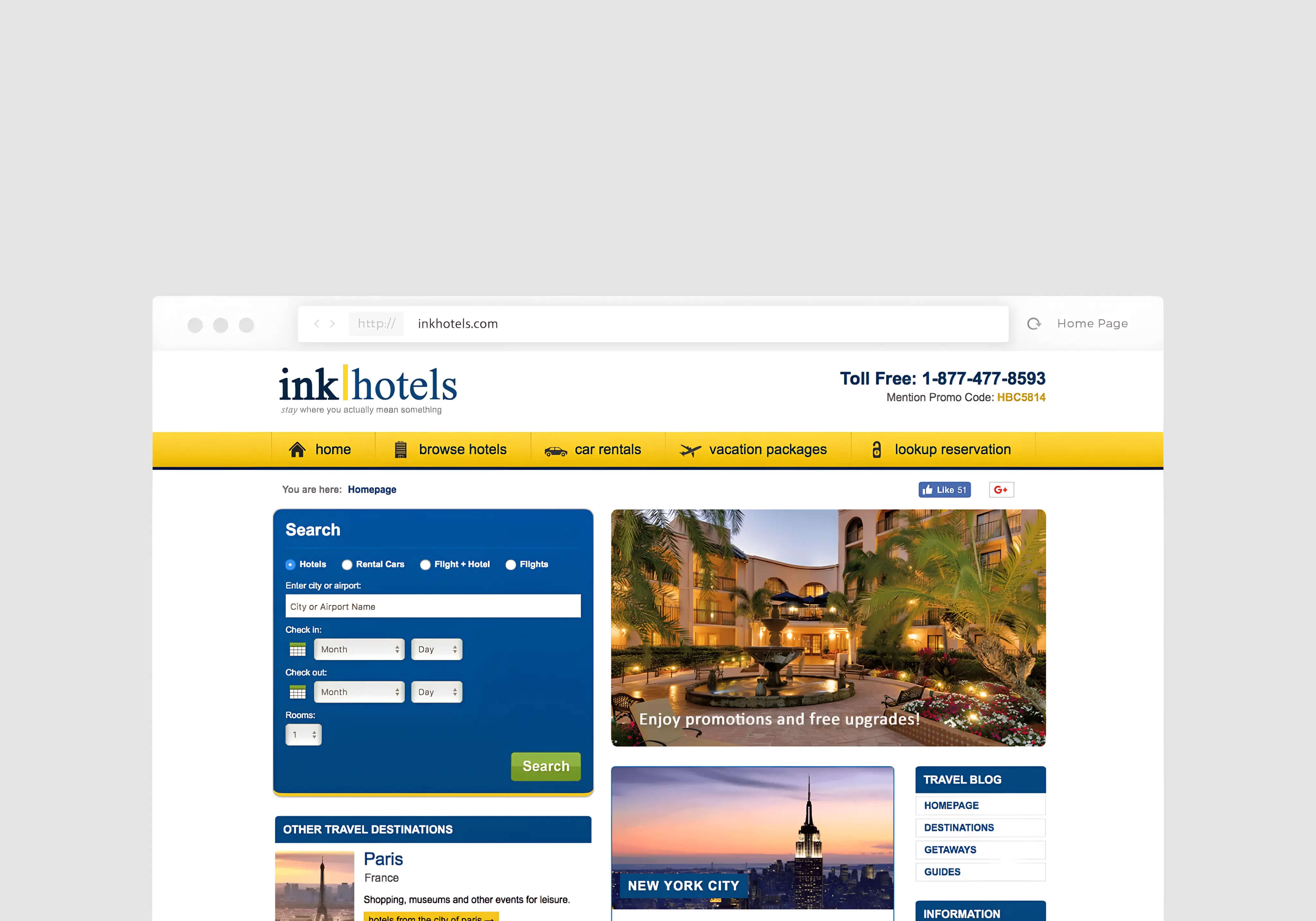
- InkHotels Web Design
Design and Development
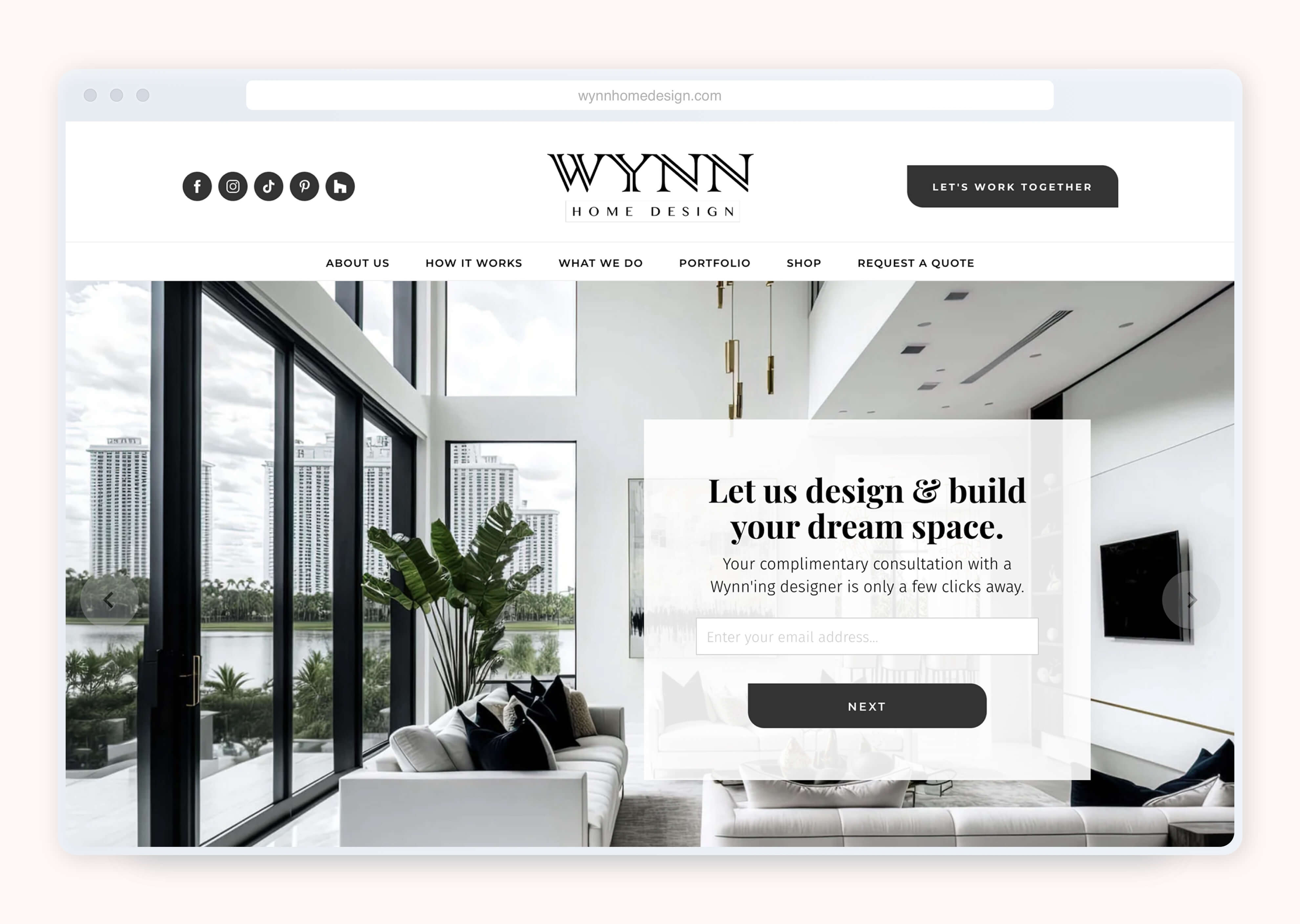
Wynn Home Design
01 Background
Interior design is a referral-driven business, but referrals have limits. A firm that wants to grow beyond its existing network needs a digital presence that does the work of a referral: communicating quality, demonstrating experience, and giving a potential client enough confidence to make contact before they have ever spoken to anyone. For Wynn Home Design, a full-service interior design company, that presence did not yet exist in a form that matched the quality of the work behind it.
The project covered the full scope of what it takes to give a design firm a professional digital home: brand identity, site architecture, a custom WordPress build, and the analytics and conversion tracking infrastructure needed to understand how well the site was doing its job once it was live.
Company
Wynn Home Design, LLC
Timeline
4 months (2023–2023)
Role
Full Stack Developer
Platforms
Desktop Web, Mobile Web
Stack
HTML, Javascript, JQuery, CSS, PHP (Custom WordPress Theme Development)
Tools
Figma, Adobe Photoshop, Adobe Illustrator, VS Code, Trello, Github
02 Problem
Great work is invisible if no one can find it.
Interior design clients do not hire a firm on the strength of a description. They hire based on what they can see: the portfolio, the range of work, the evidence that this firm has solved problems like theirs before. A site that buried that evidence, made it hard to navigate, or presented it in a way that felt unpolished would work against the very impression the business needed to make.
Beyond the portfolio, the business had a specific challenge around discoverability. A potential client searching for accent wall services or nursery design in their area was unlikely to find Wynn Home Design unless the site was structured to match those searches. The site needed to earn organic visibility for the specific services the firm offered, not just exist as a general presence that hoped people would stumble onto it.
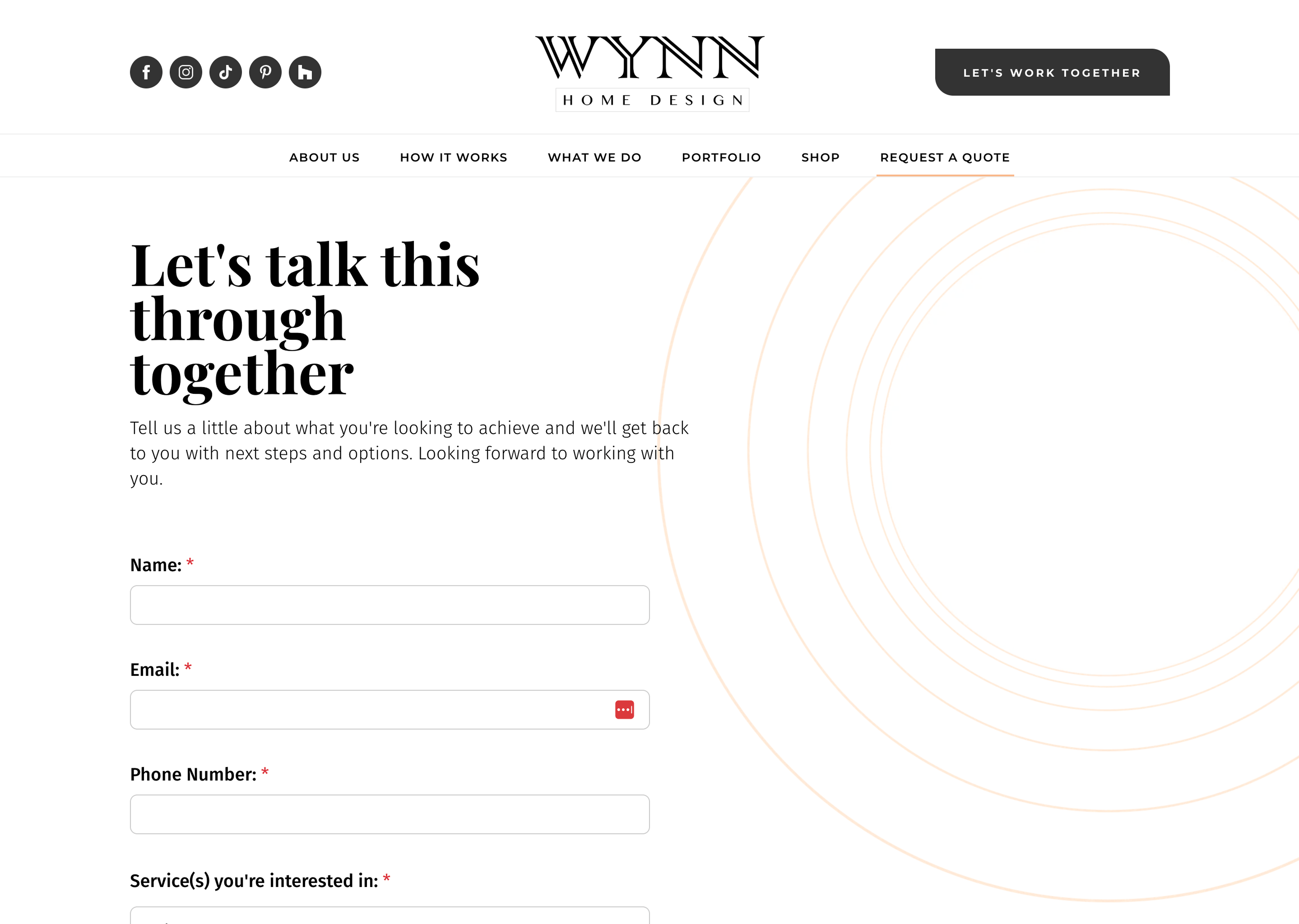
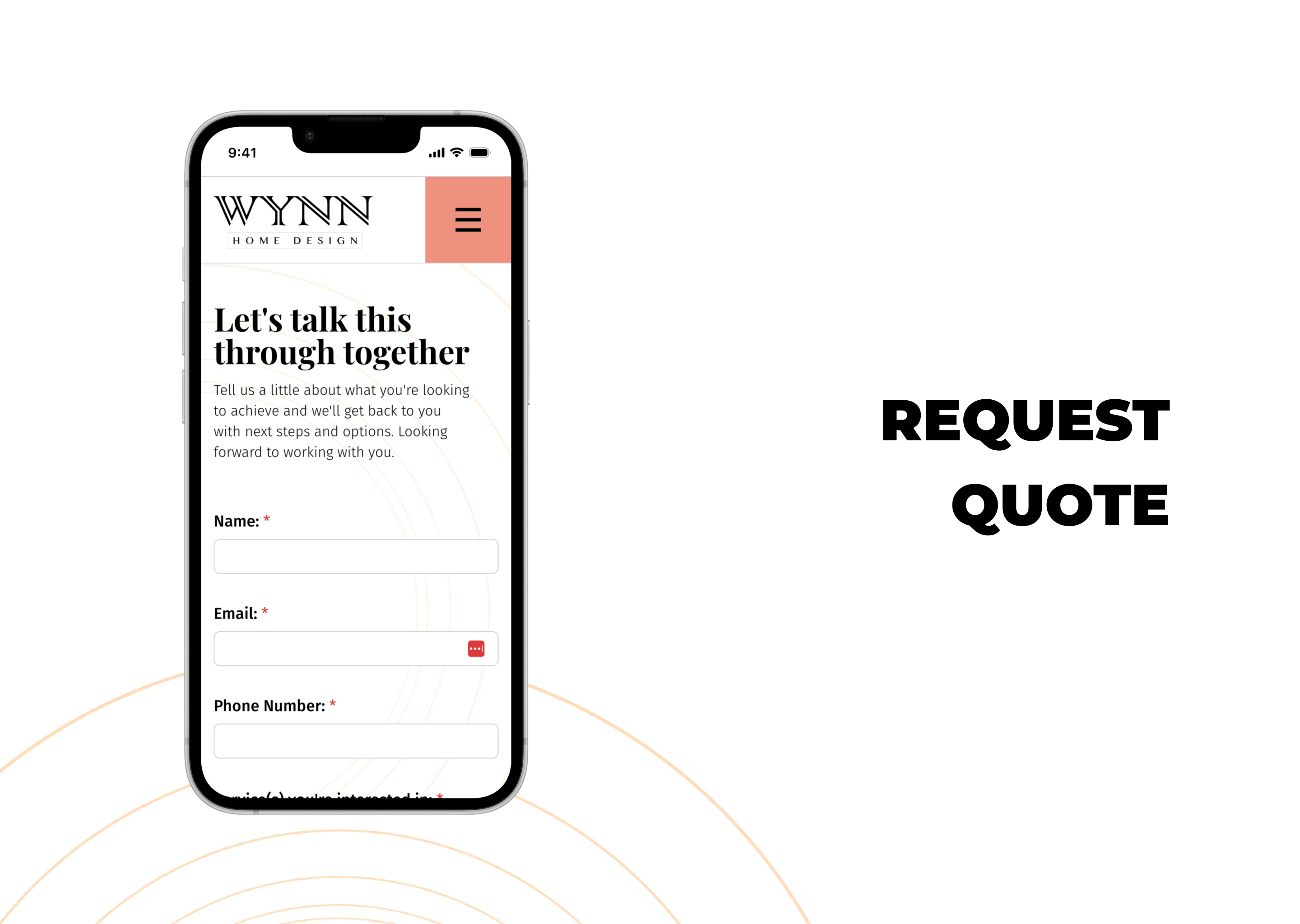
There was also a lead generation problem. Getting a visitor to the site was only half the work. Converting that visitor into a genuine inquiry required a contact experience that felt considered and frictionless rather than like a generic form bolted onto the bottom of a page.
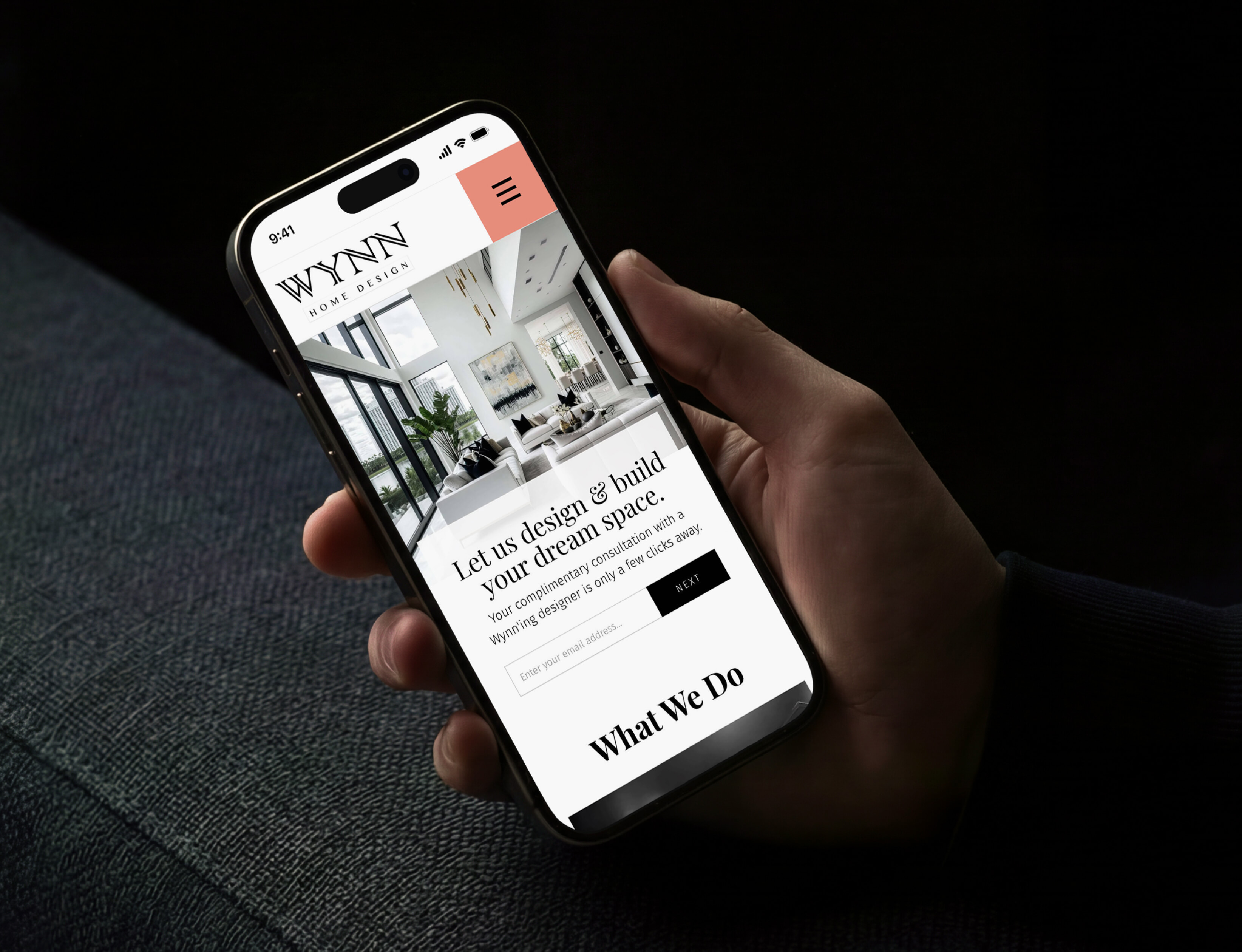
The brief in one line
A site that looked as good as the work, ranked for the services offered, and turned visitors into leads.
03 Planning
Structure first. Design and build after.
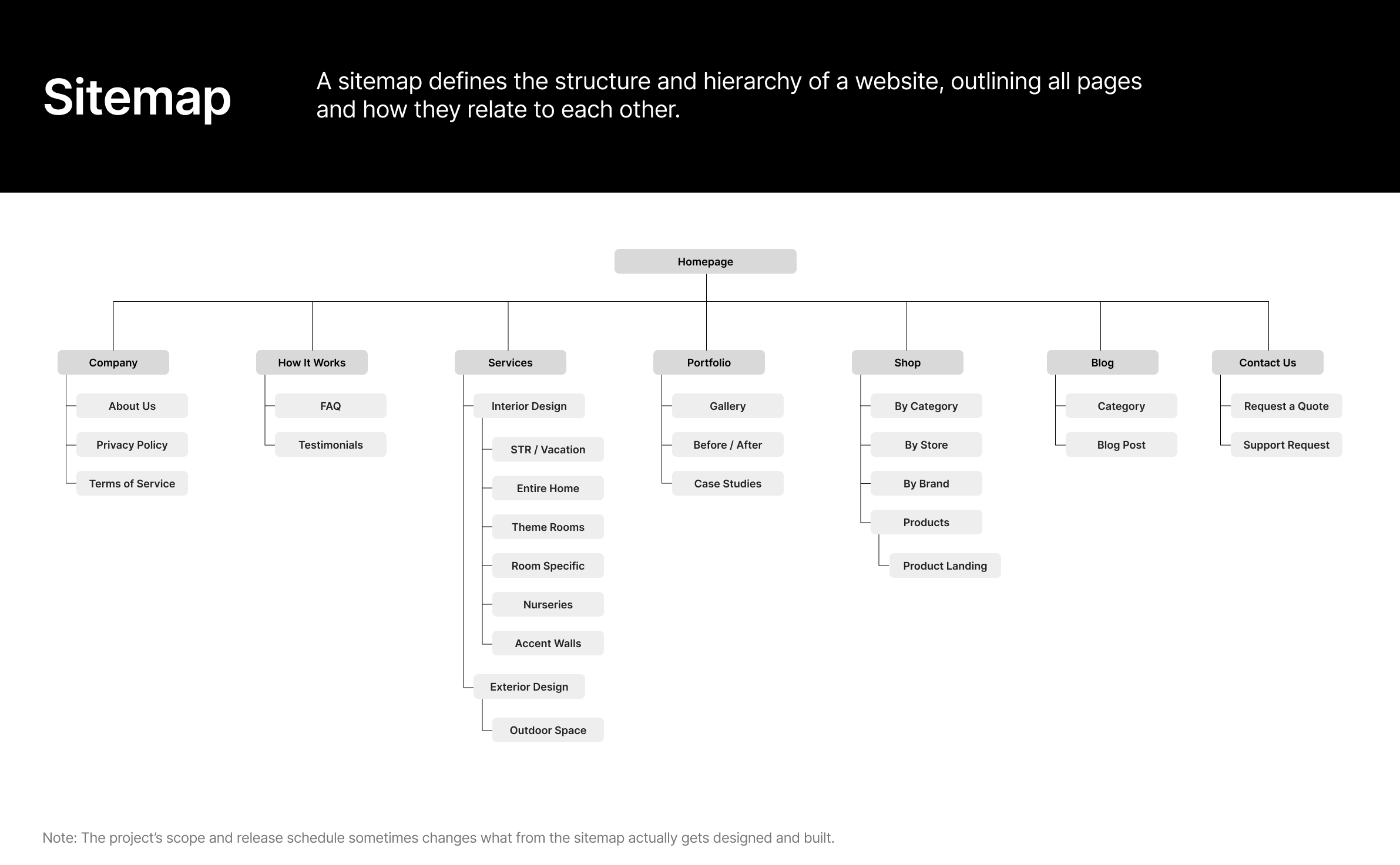
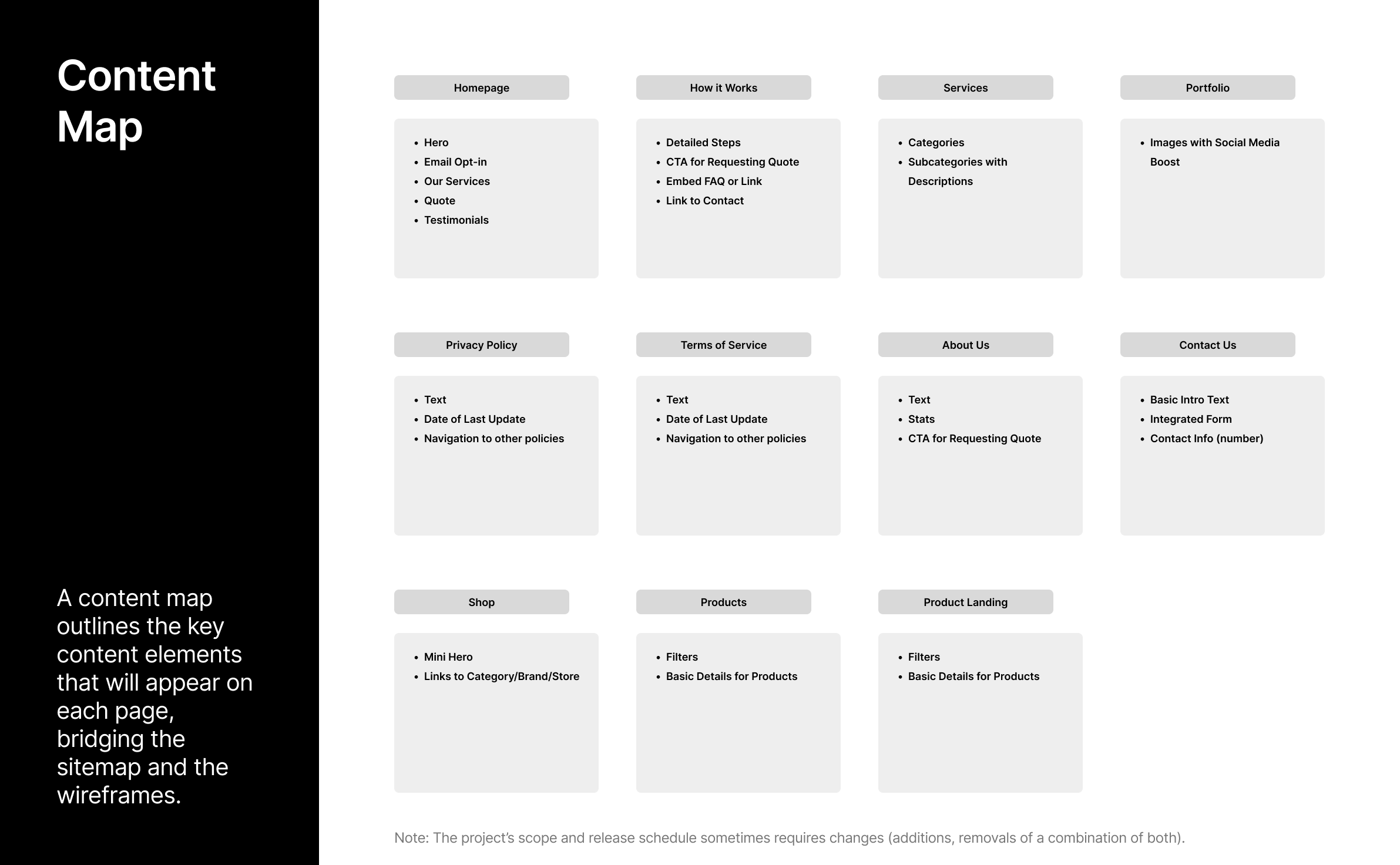
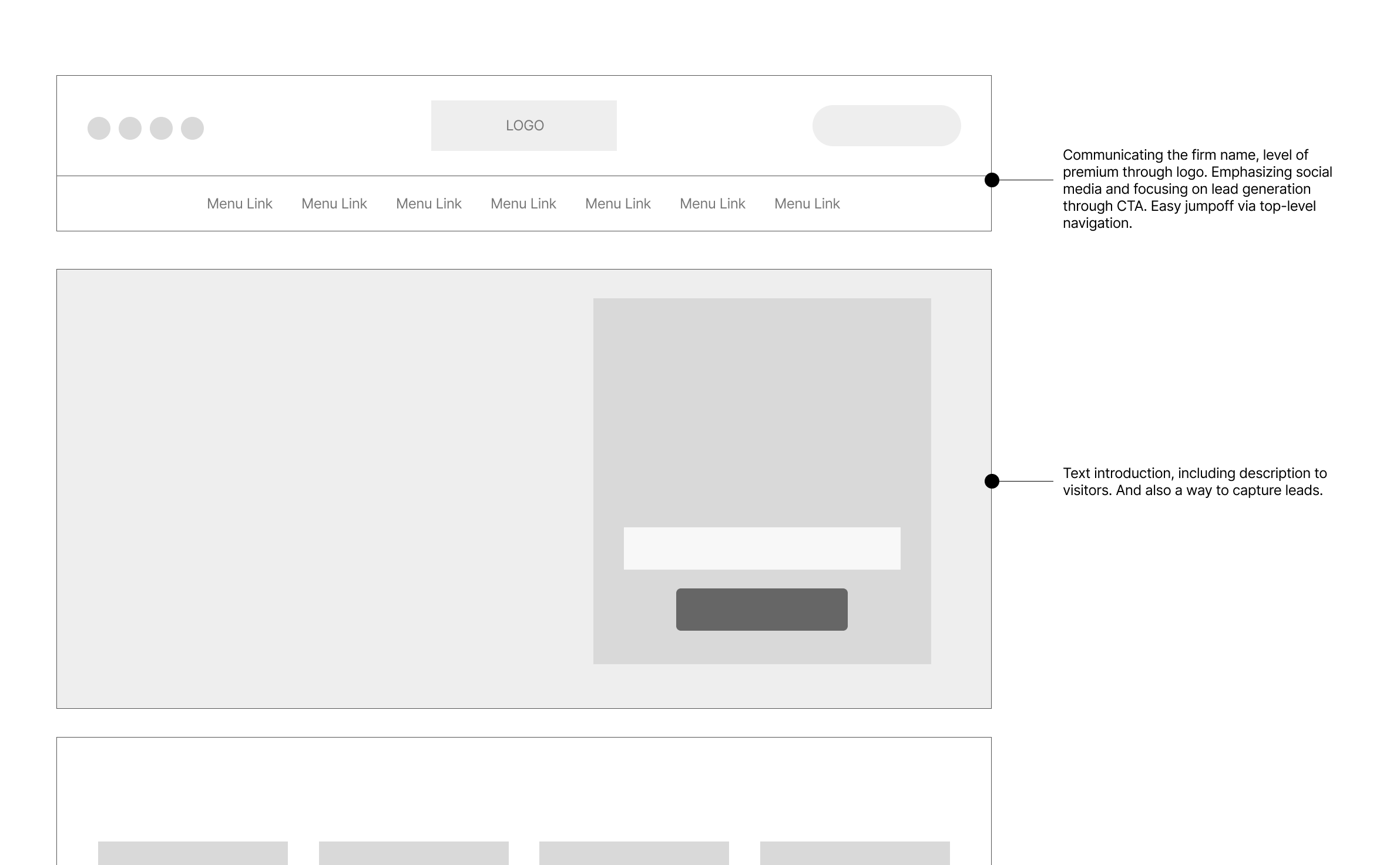
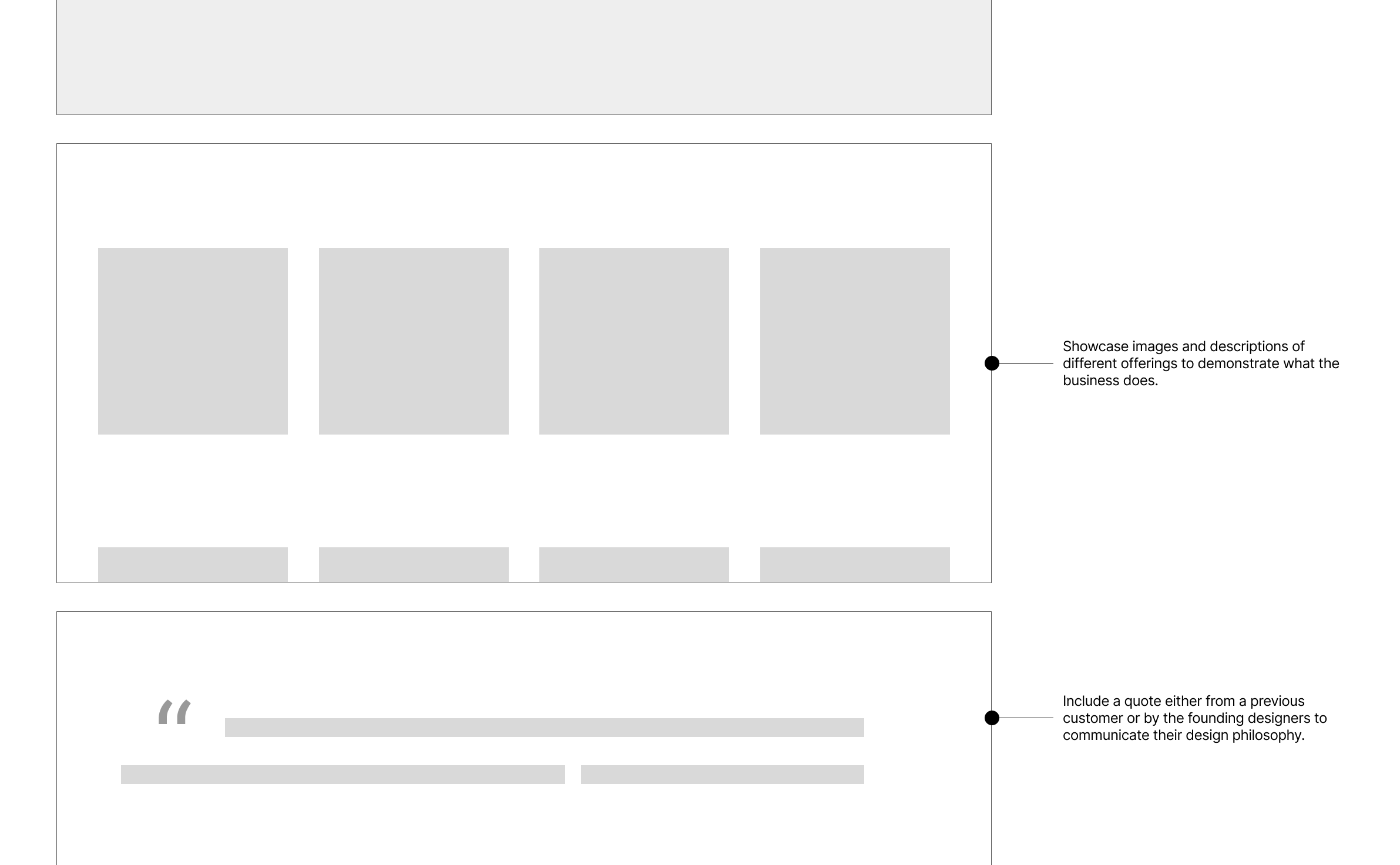
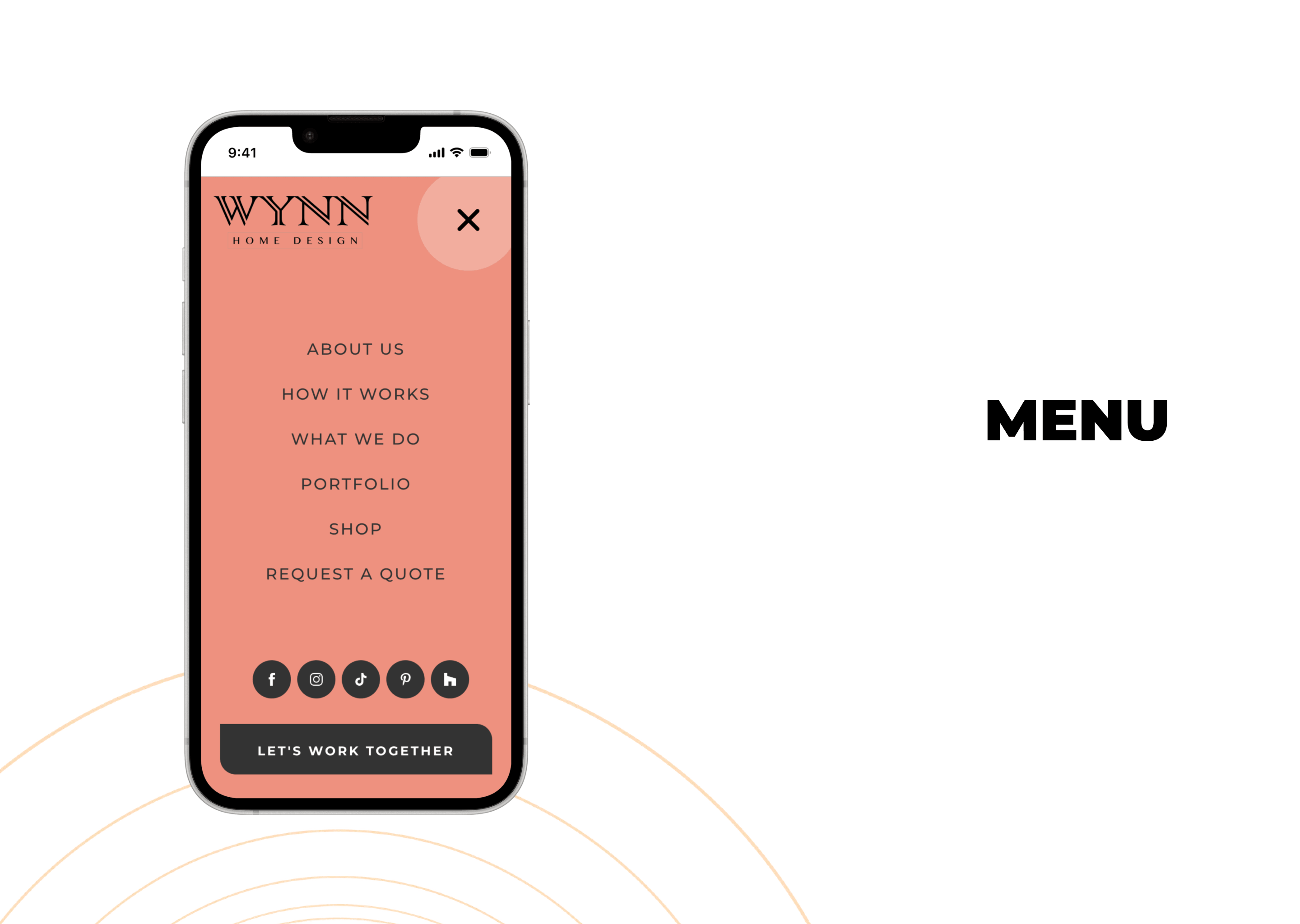
Before any design work began, the information architecture was mapped. A sitemap established every page the site needed to include, from the homepage and service pages through to the portfolio, product pages, and contact experience. User flows were mapped to understand how a prospective client would move through the site from their first visit to an inquiry, and how the internal team would manage and update content over time.
This planning phase was not a formality. A design firm’s website has a specific job to do: surface the right services to the right visitor and make it easy to take the next step. Getting the structure wrong would have made every design and development decision that followed harder to get right. The sitemap was the foundation everything else was built on.
04 Solution
Custom features built around how the business actually works.
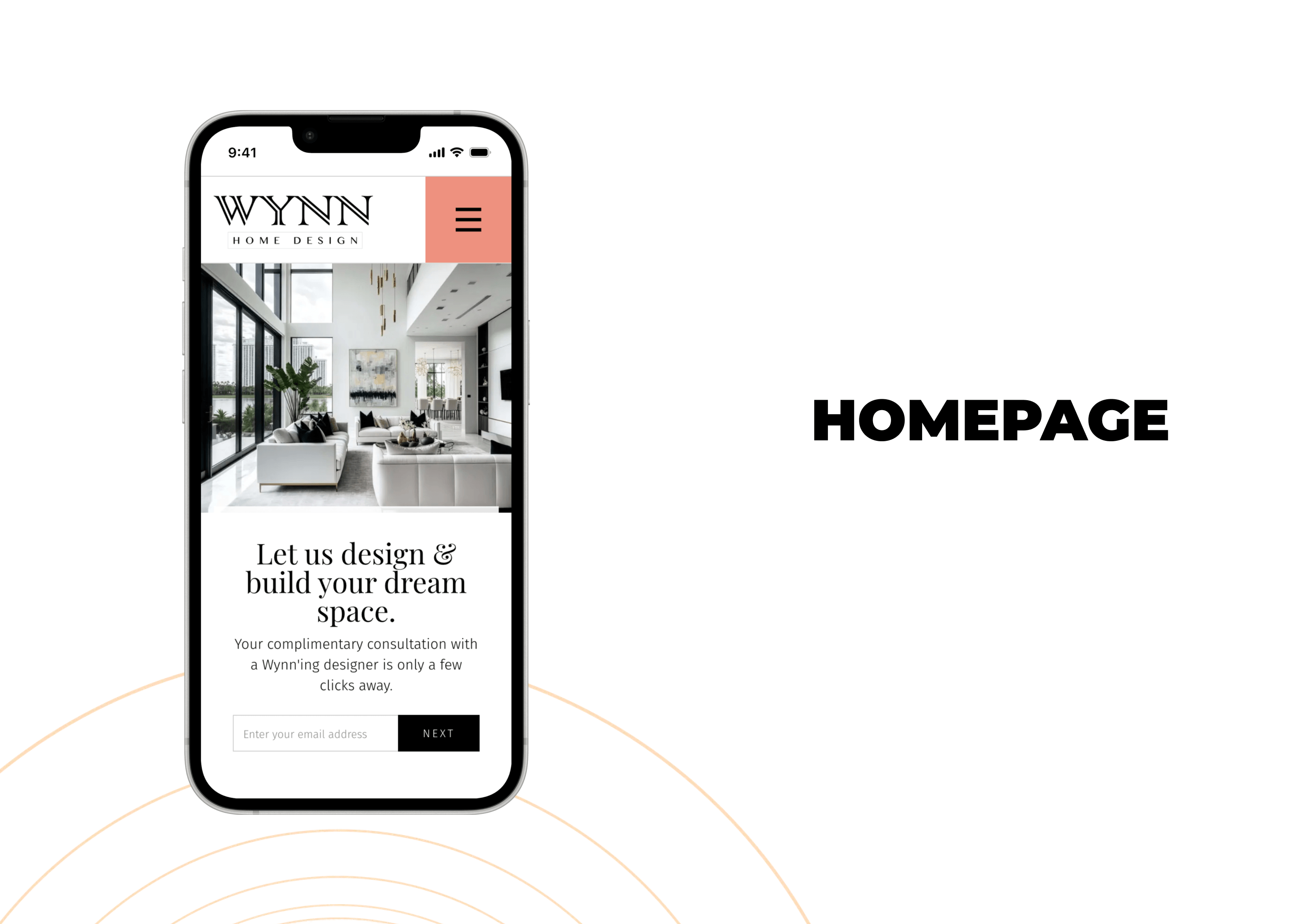
The WordPress build used custom post types and taxonomies to give the site the flexibility a design firm’s content actually required. Service types like theme rooms, nurseries, and accent walls were structured as their own content type, allowing each to have its own dedicated landing page with keyword-matched content, an FAQ section with toggle interactions, a gallery of previous work in that area, and a clear path to hire. These pages were built specifically to earn search visibility for the individual services the firm offered and to give visitors the evidence they needed to act.
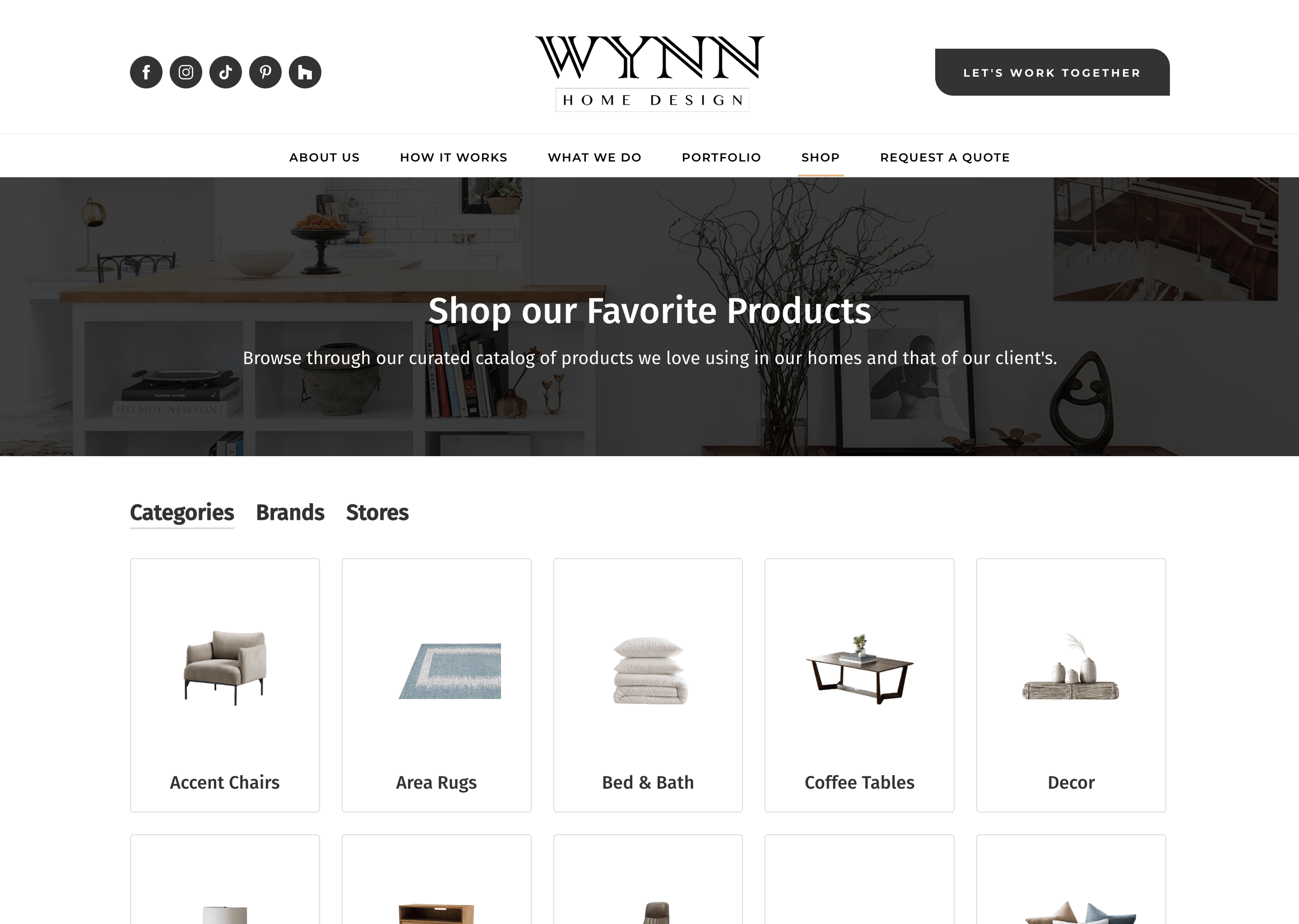
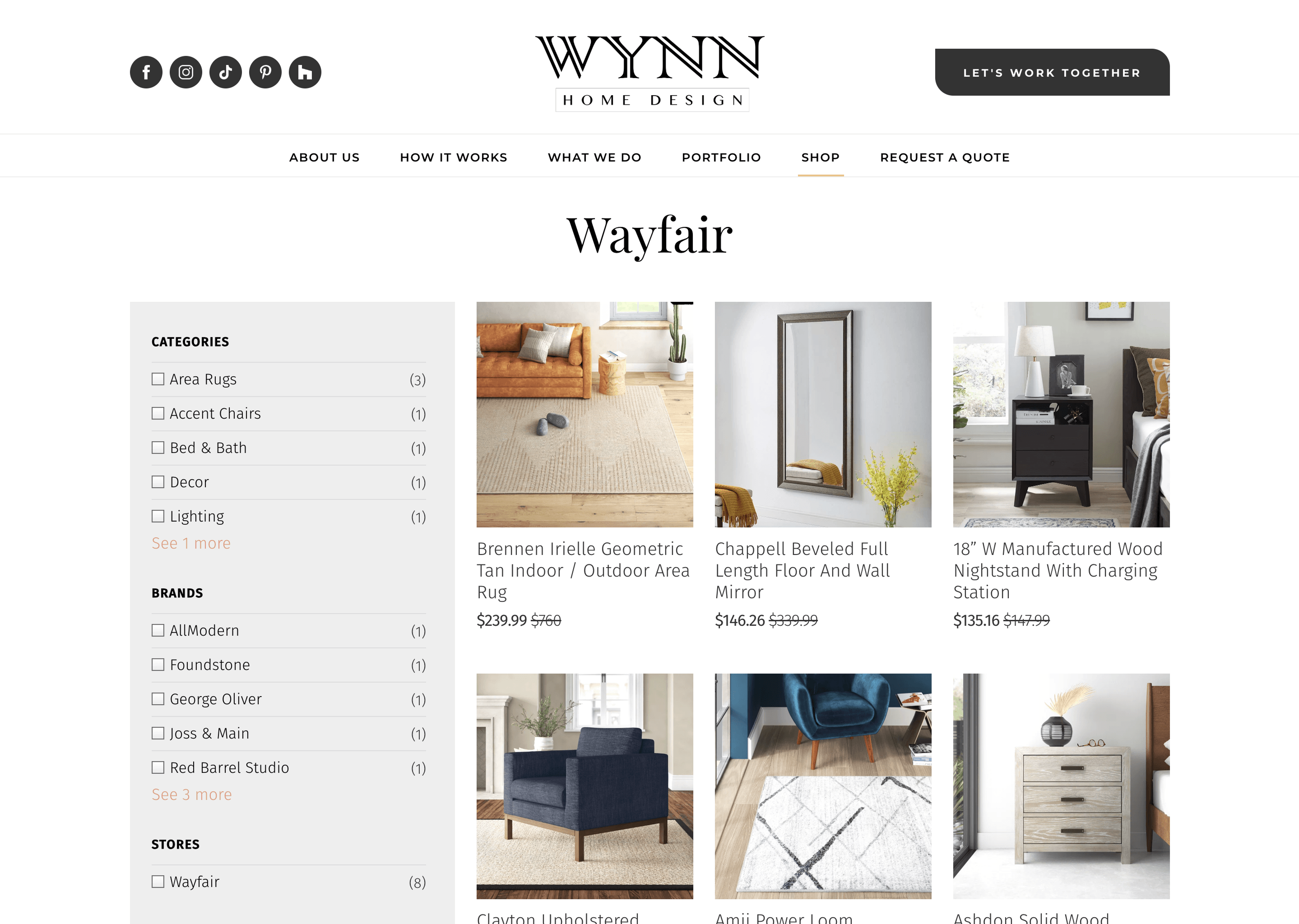
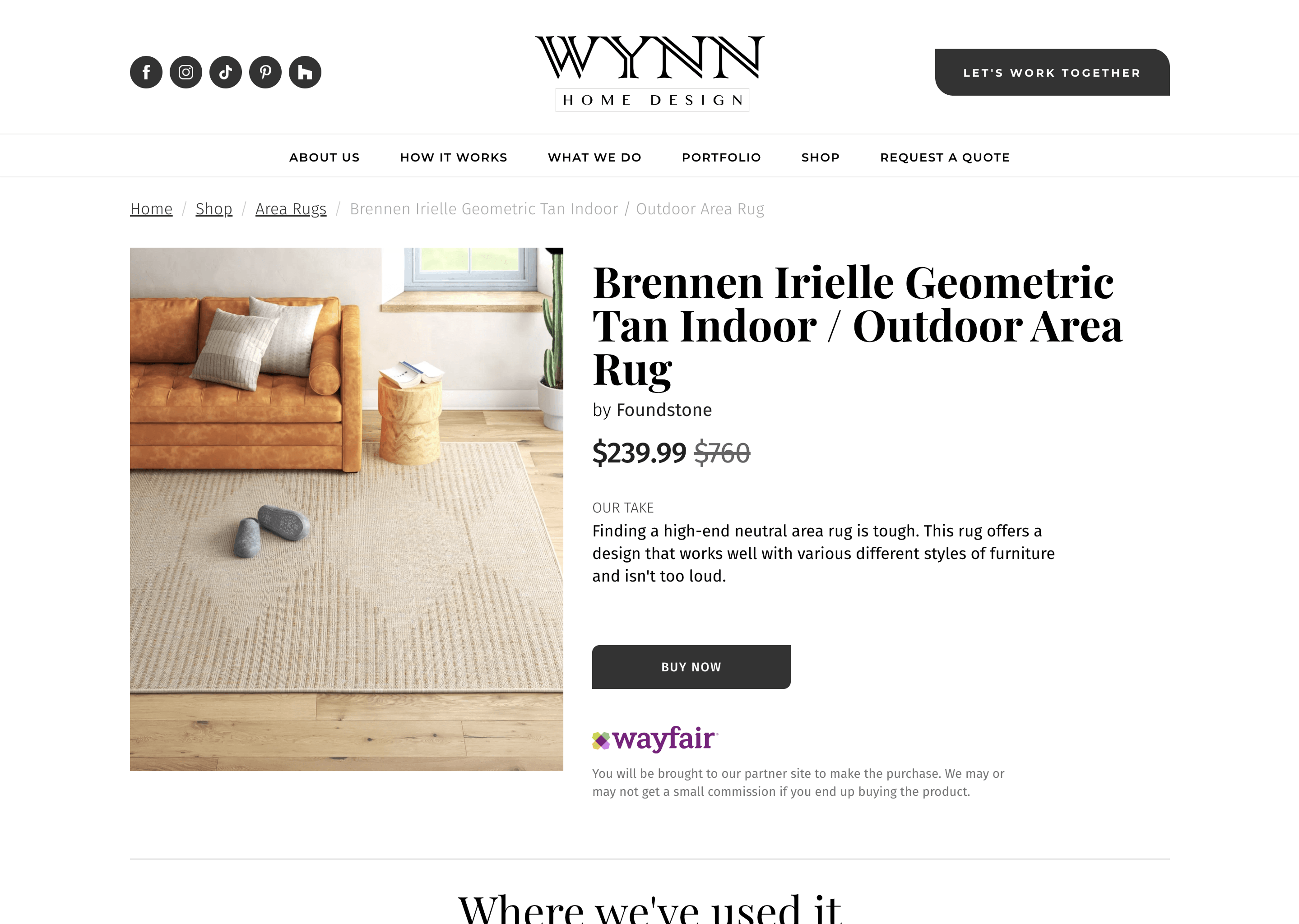
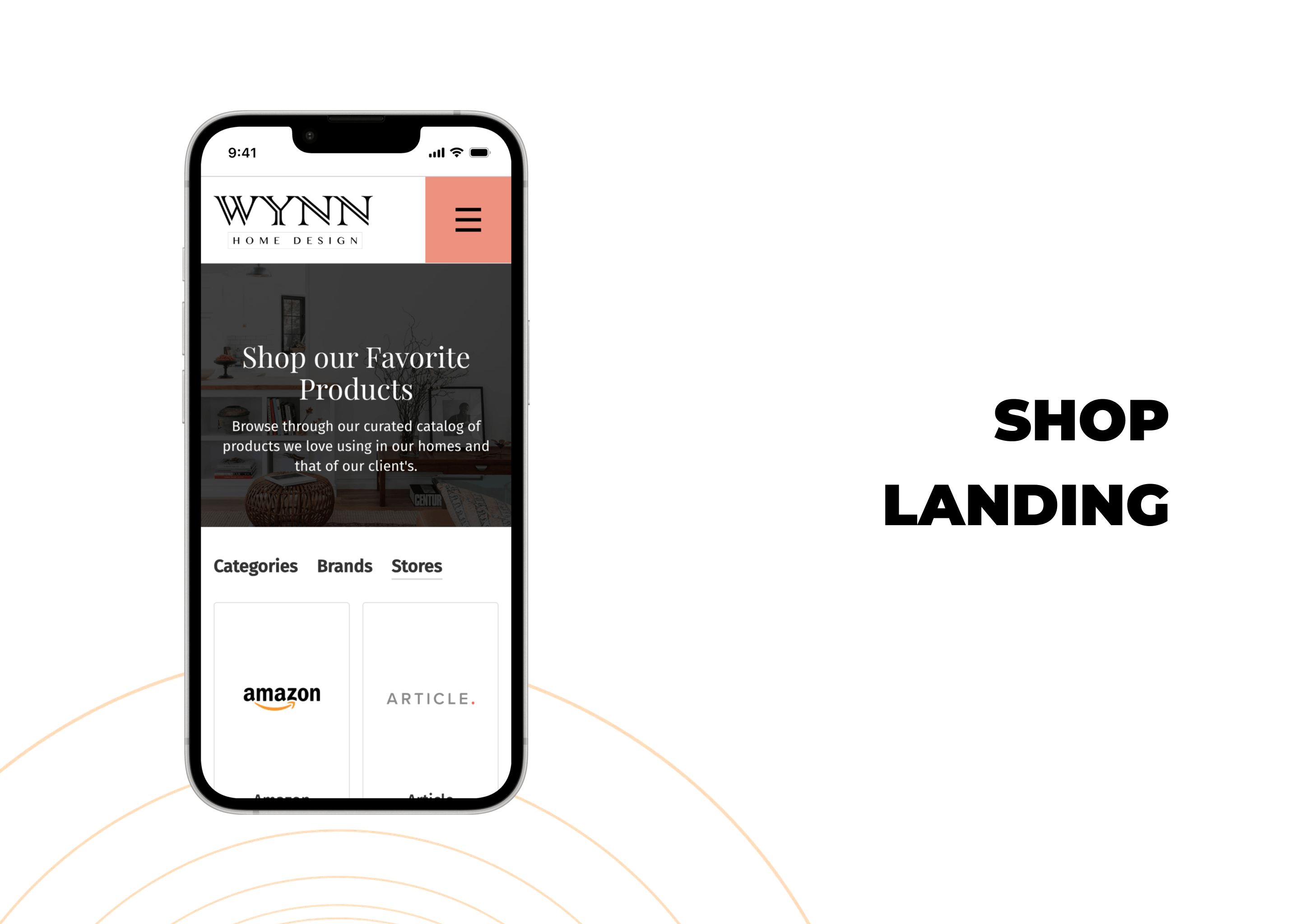
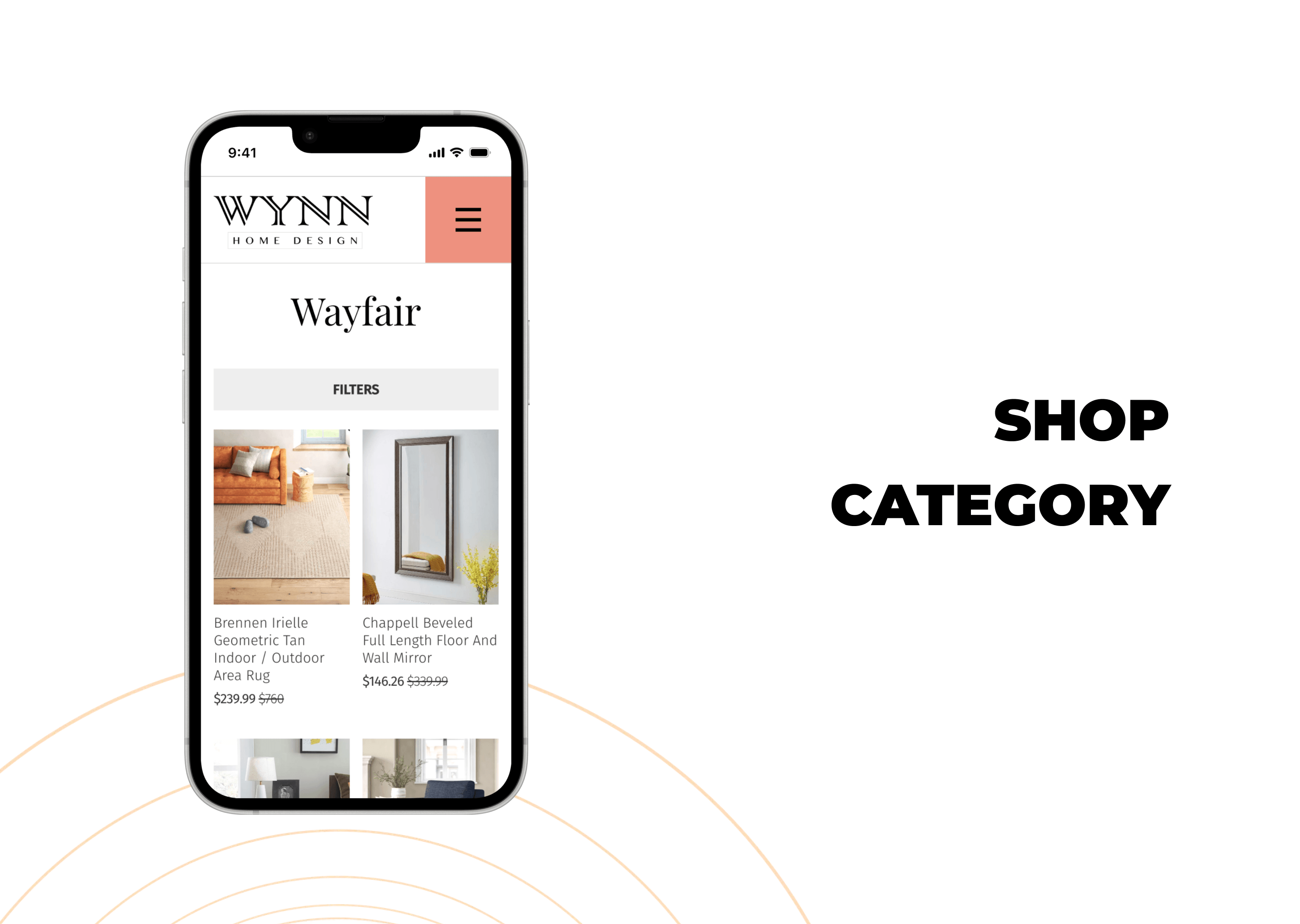
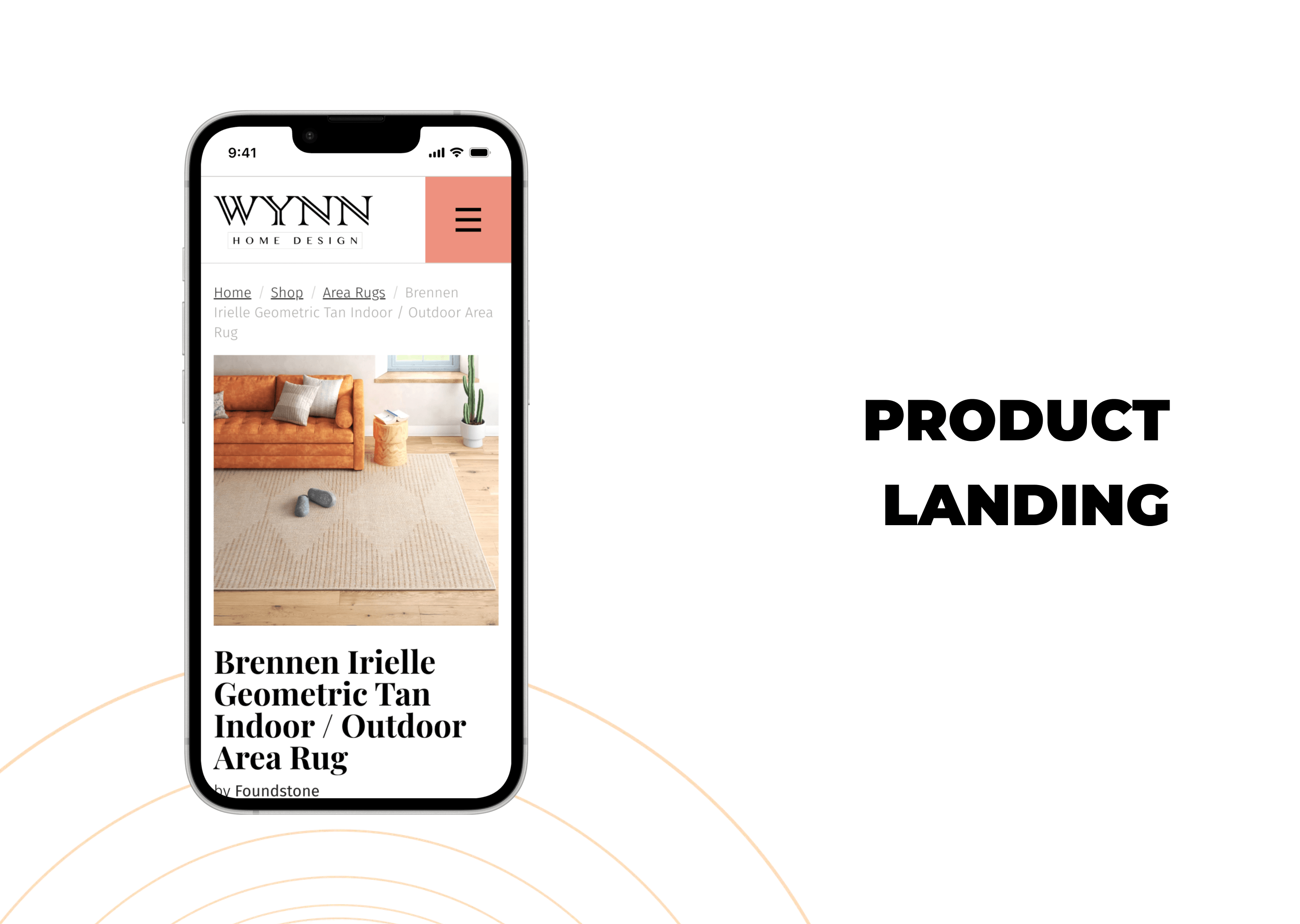
A second custom post type was built for products, with taxonomies that allowed the designers to tag which products were used in each project. Each product linked back to the original retailer, creating a potential affiliate revenue stream while also giving prospective clients a window into the firm’s sourcing choices and taste.
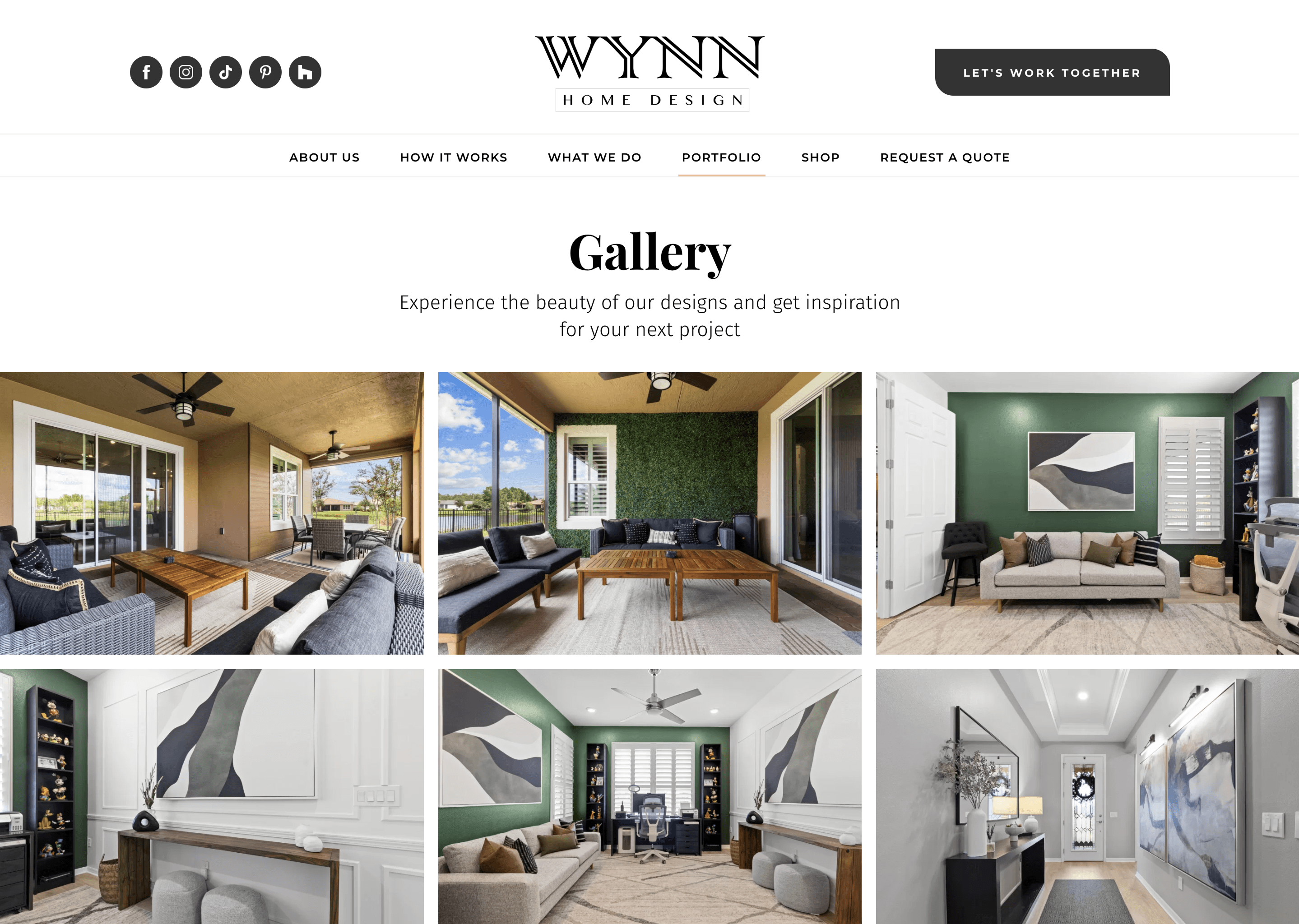
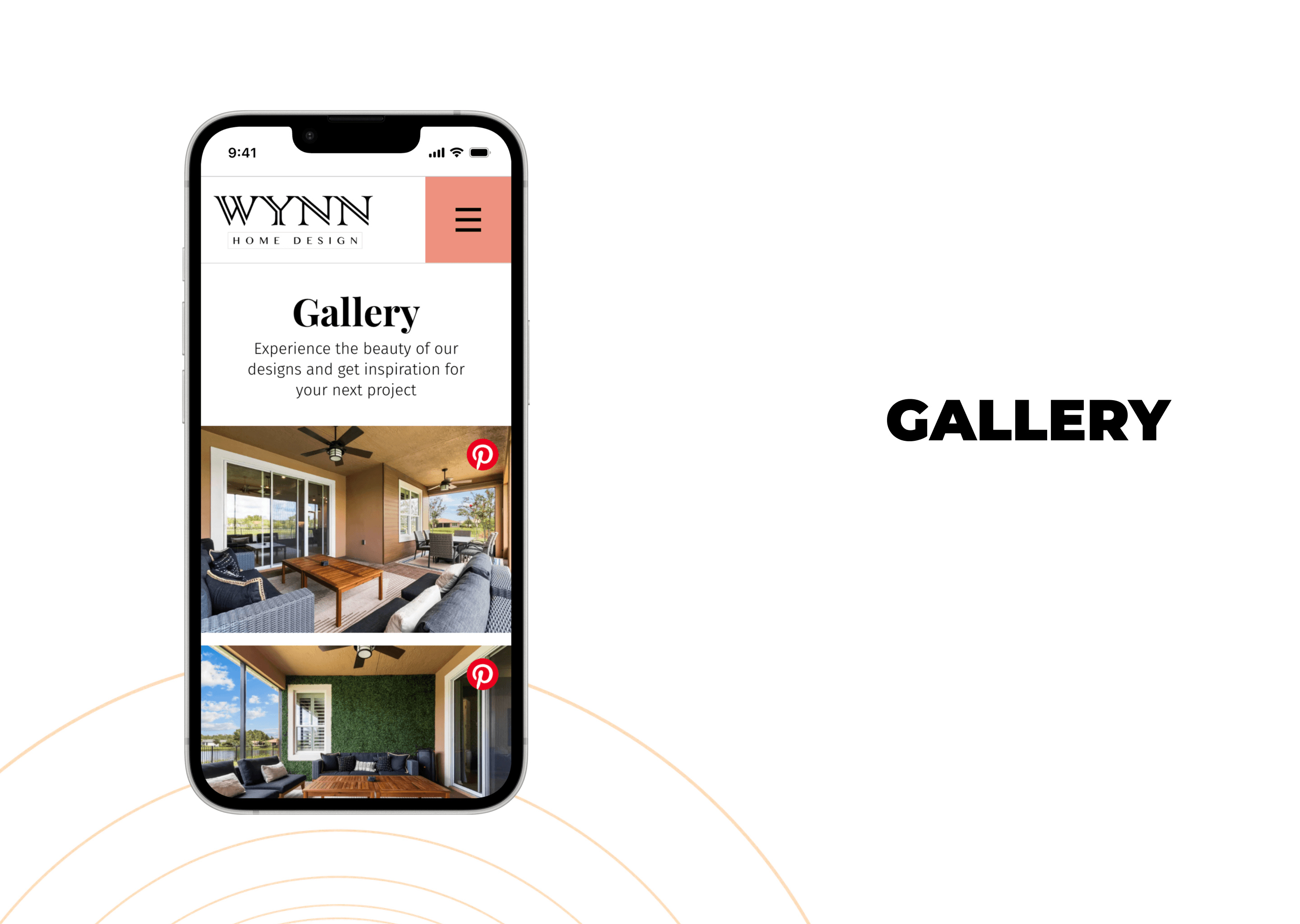
The portfolio gallery was built with a masonry layout so the team could upload images in any proportion or aspect ratio without worrying about the layout breaking or looking inconsistent. The grid adjusted to fit every image cleanly, which meant the administrative burden of maintaining the portfolio was low and the visual result was always considered.
Analytics and conversion tracking were implemented across Google Analytics, Hotjar, the Meta Pixel, and Pinterest’s tracking pixel. That infrastructure gave the client visibility into how visitors behaved on the site, which service pages were driving the most engagement, and what the real return on any paid advertising was across channels.
Architecture
Sitemaps and user flows
Full information architecture mapped before design began, establishing how a prospective client would move from discovery to inquiry and how the team would manage content over time.
SEO
Service landing pages
Individual landing pages for each service type, built with keyword-matched content, FAQ toggles, and a work gallery designed to rank in search and convert visitors who arrived with specific intent.
Content
Custom post types and taxonomies
Service types and products structured as custom post types with taxonomy support, giving the team a flexible and organized content system that matched how the business was actually organized.
Portfolio
Masonry gallery layout
A self-adjusting masonry portfolio grid that accepted images of any proportion without breaking, reducing the administrative effort of keeping the portfolio current while keeping it looking intentional.
Products
Project product tagging
A product post type that let designers tag items used in each project and link out to retailers, surfacing sourcing decisions as both a content asset and a potential affiliate revenue source.
Leads
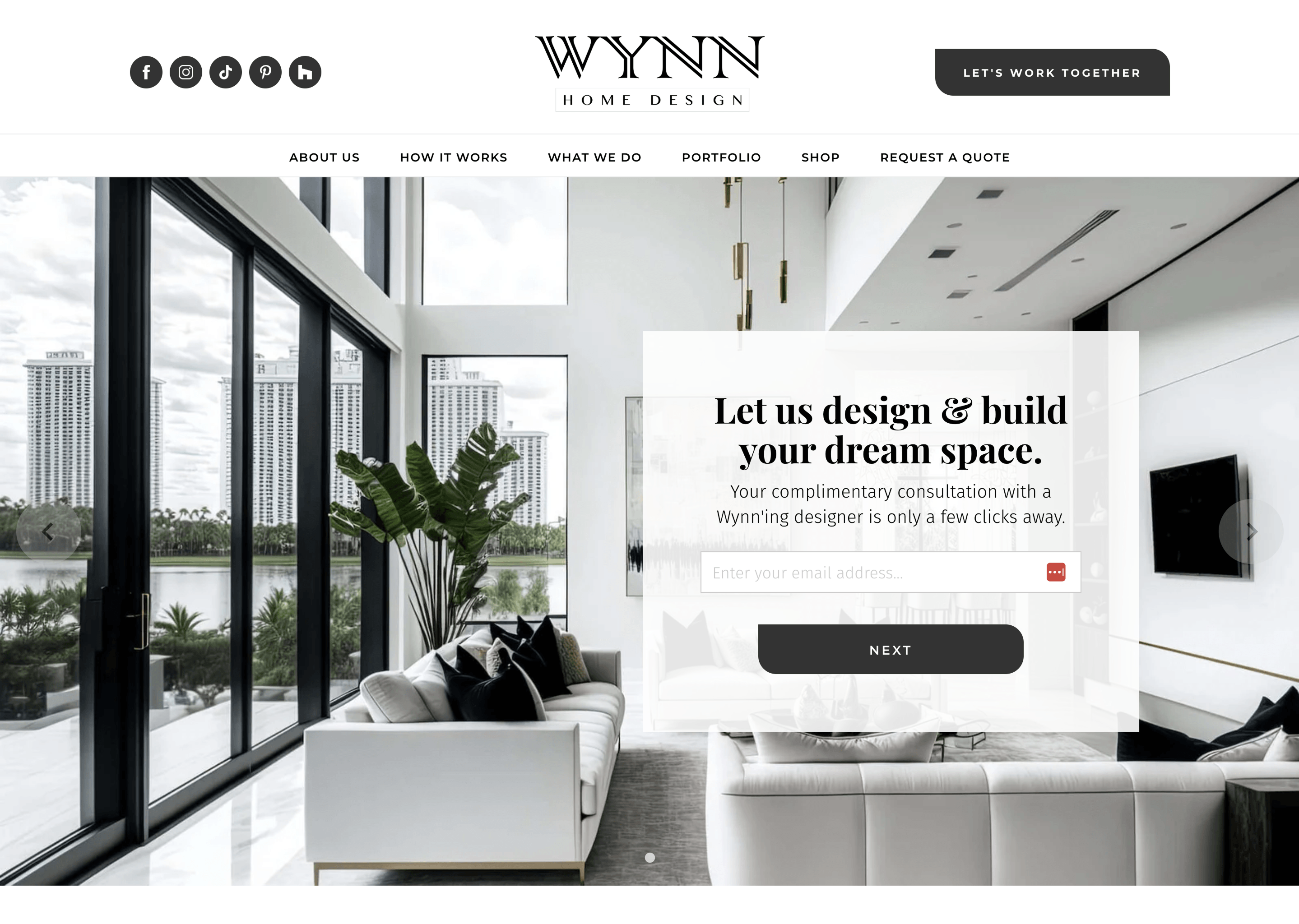
Custom lead generation form
A purpose-built contact form with custom interaction design, created to feel considered rather than generic and reduce the friction between a visitor's interest and an actual inquiry.
Analytics
Multi-platform tracking setup
Google Analytics, Hotjar, Meta Pixel, and Pinterest tracking pixel all implemented at launch, giving the client behavioral data, conversion visibility, and advertising ROI measurement from day one.
Brand
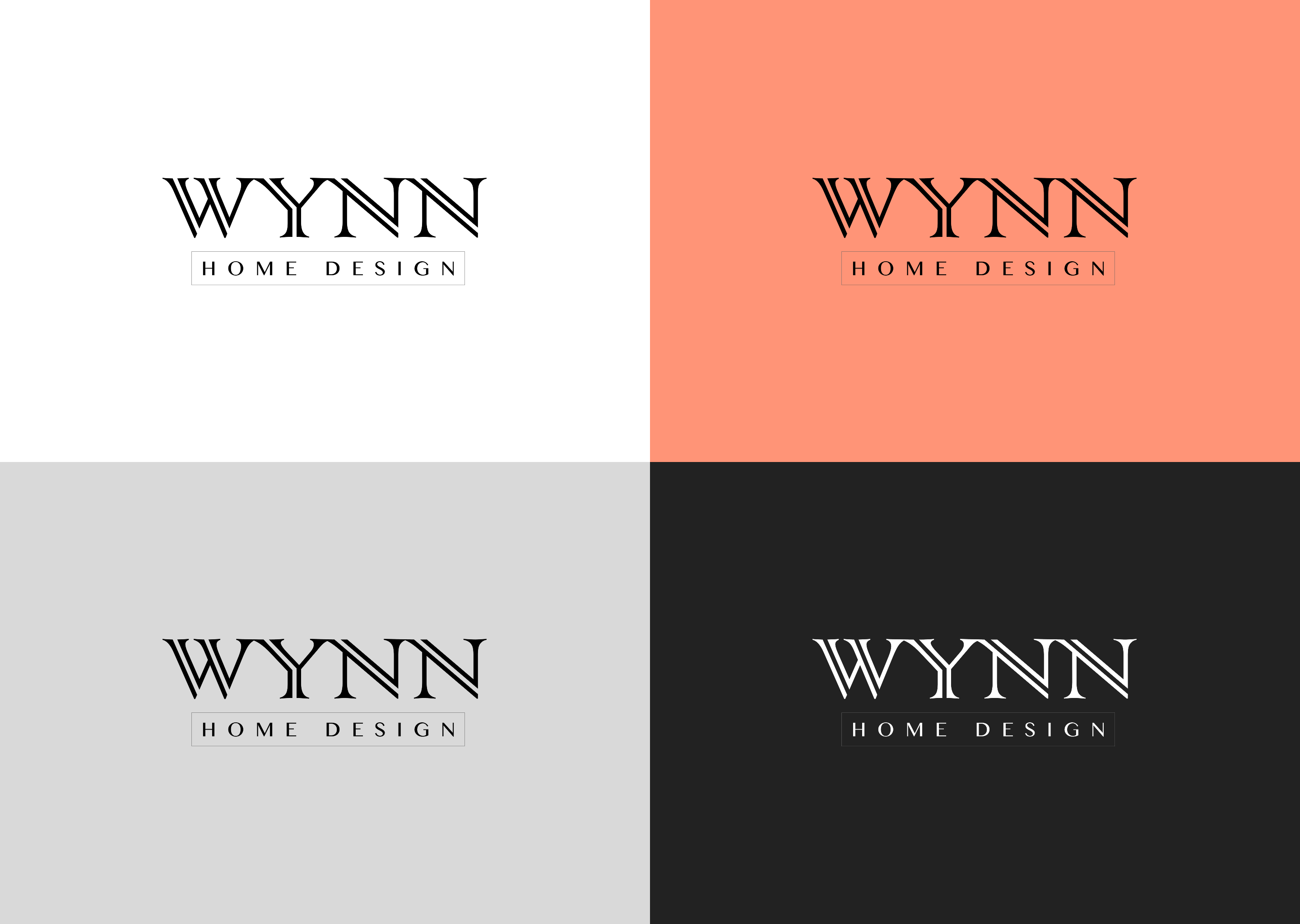
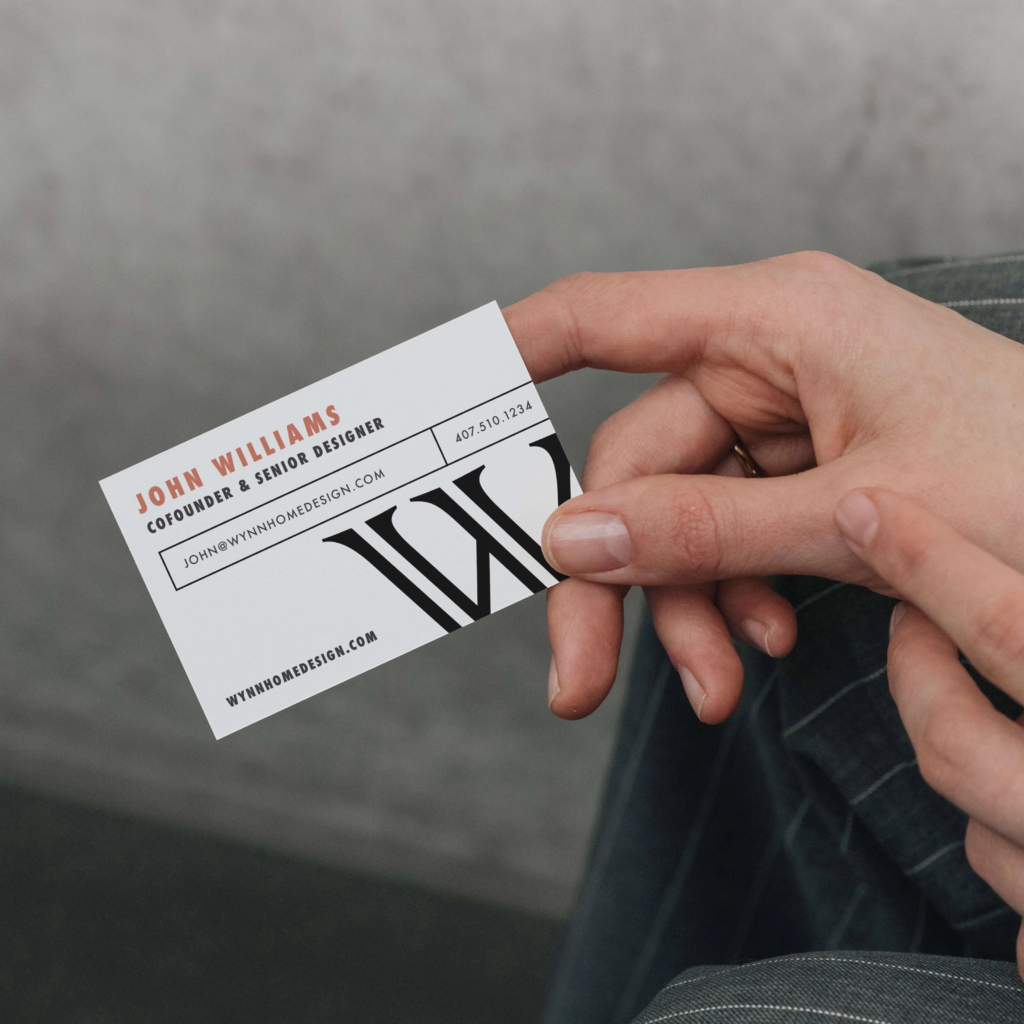
Logo and color palette
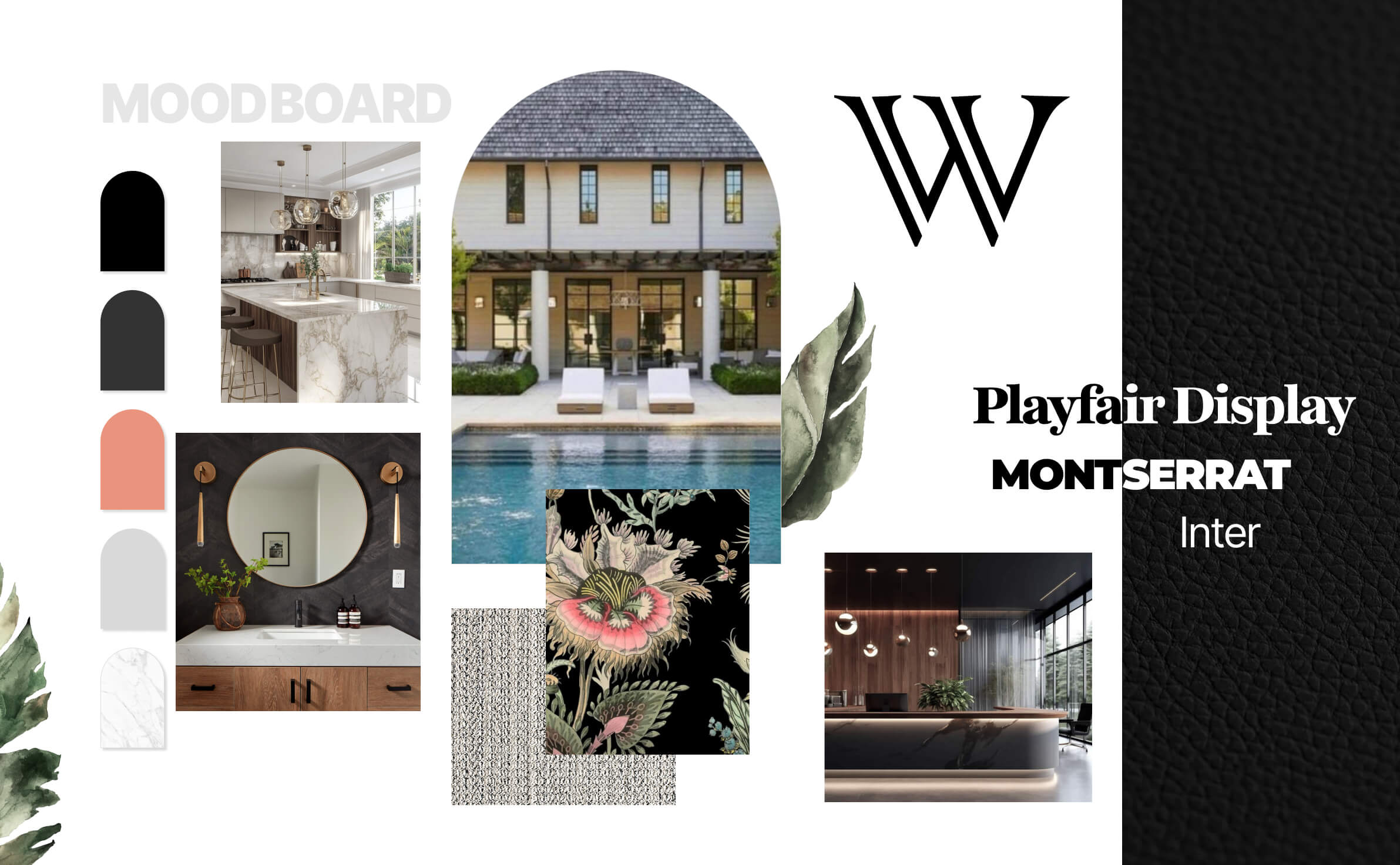
A custom logo and color system designed to communicate the quality and sensibility of the firm's work before a visitor has scrolled past the homepage.

04 My role
Strategy, design, and build.
I handled the full scope of this project from the ground up. That started with the brand: the logo, the color palette, and the visual language that would carry through every part of the site. It continued through the information architecture, where sitemaps and user flows were mapped before a single page was designed, ensuring the structure of the site reflected how both visitors and the internal team would actually use it. Then the design itself, and then the build.
The custom WordPress development required thinking through the content model carefully. The service post types, the product taxonomies, the masonry gallery, and the lead generation form were all built to solve specific business problems rather than to fill out a feature list. Each one had a clear reason to exist, and each required its own design thinking before any code was written.
The analytics setup was the last layer and in some ways the most important one for the client’s long-term ability to make good decisions. A site that launched without proper tracking in place would have no baseline to measure growth against and no way to know which marketing channels were worth investing in. Getting that infrastructure right at launch meant the client could start learning from day one rather than retrofitting measurement after the fact.