






- Wynn Home Design UX Design
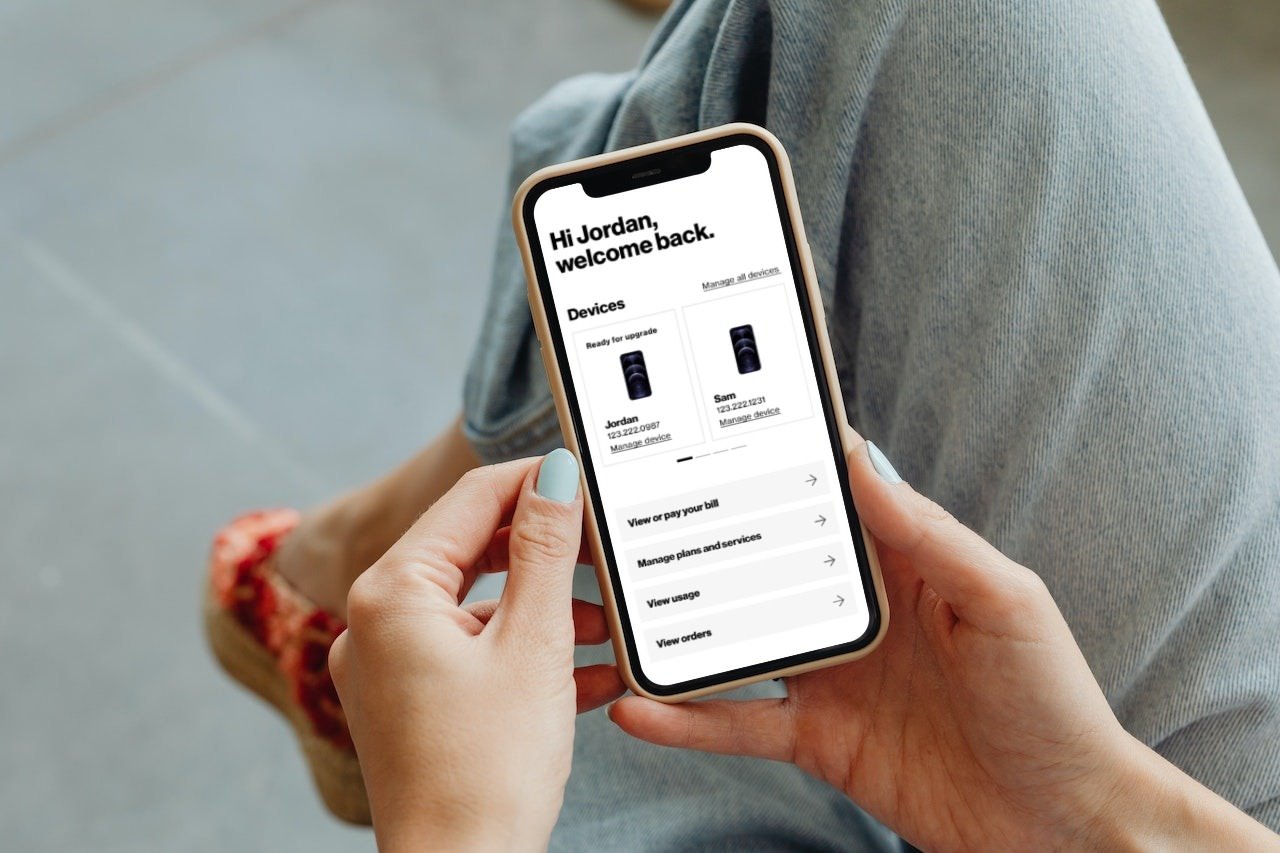
- User Account Dashboard UX Design
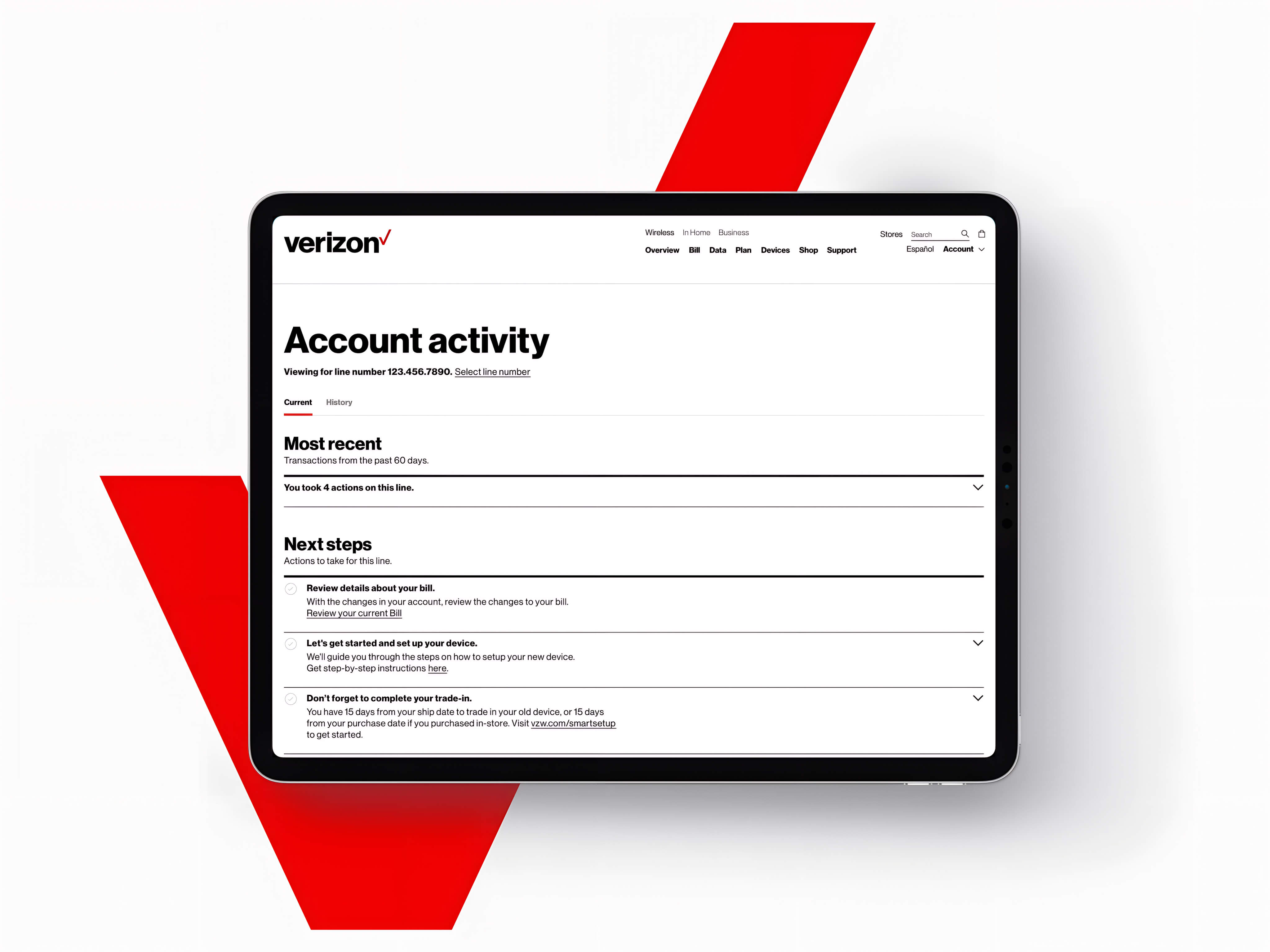
- User Account Activity UX Design
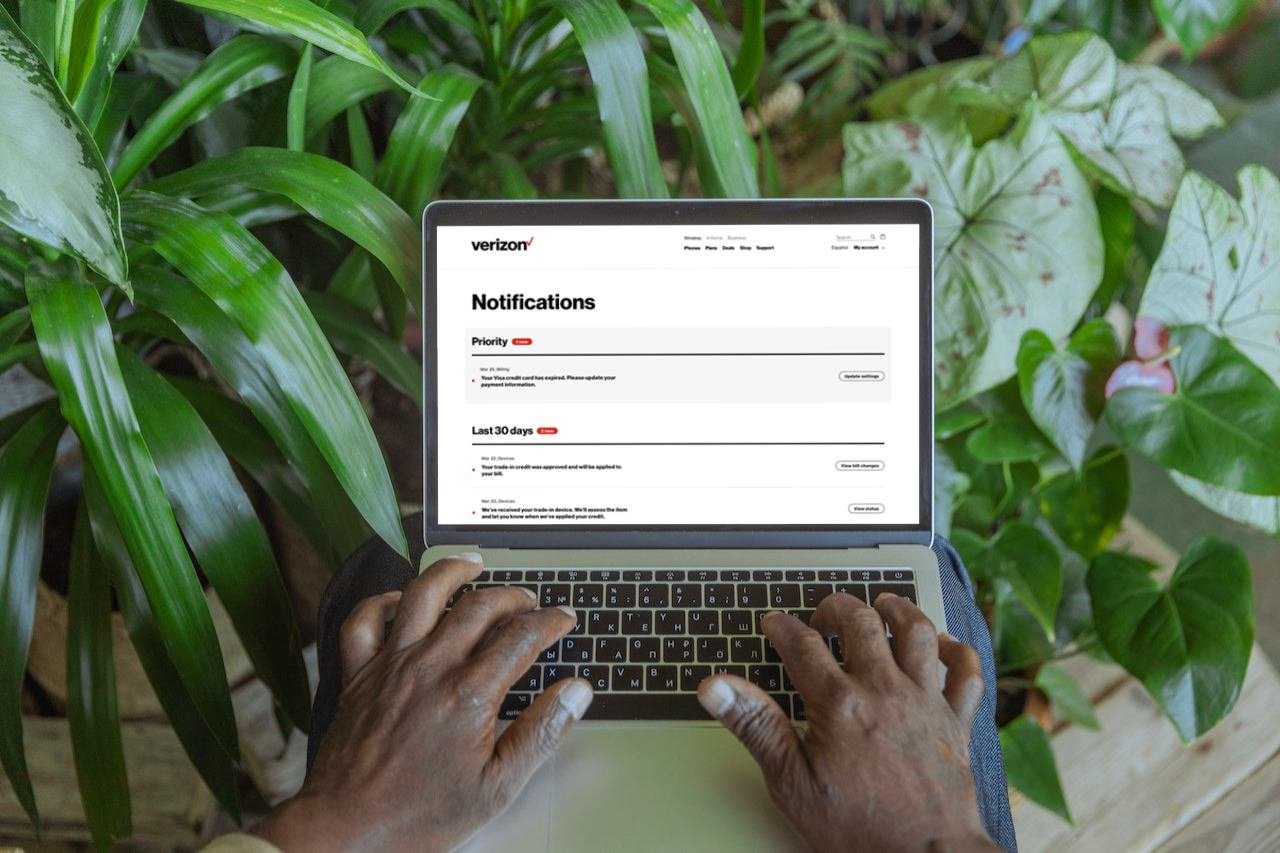
- Notifications Experience UX Design
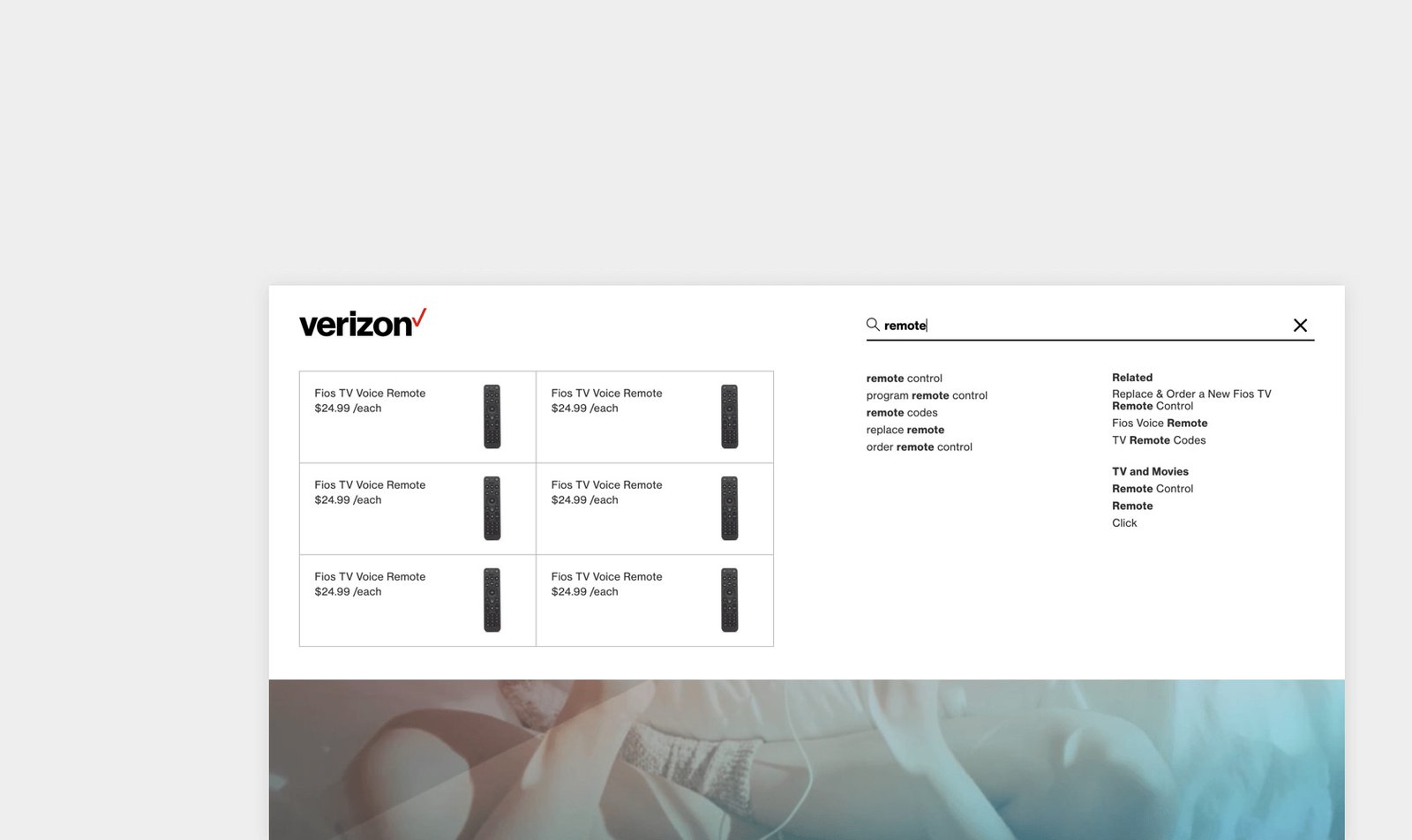
- Fios Navigation Frontend Development
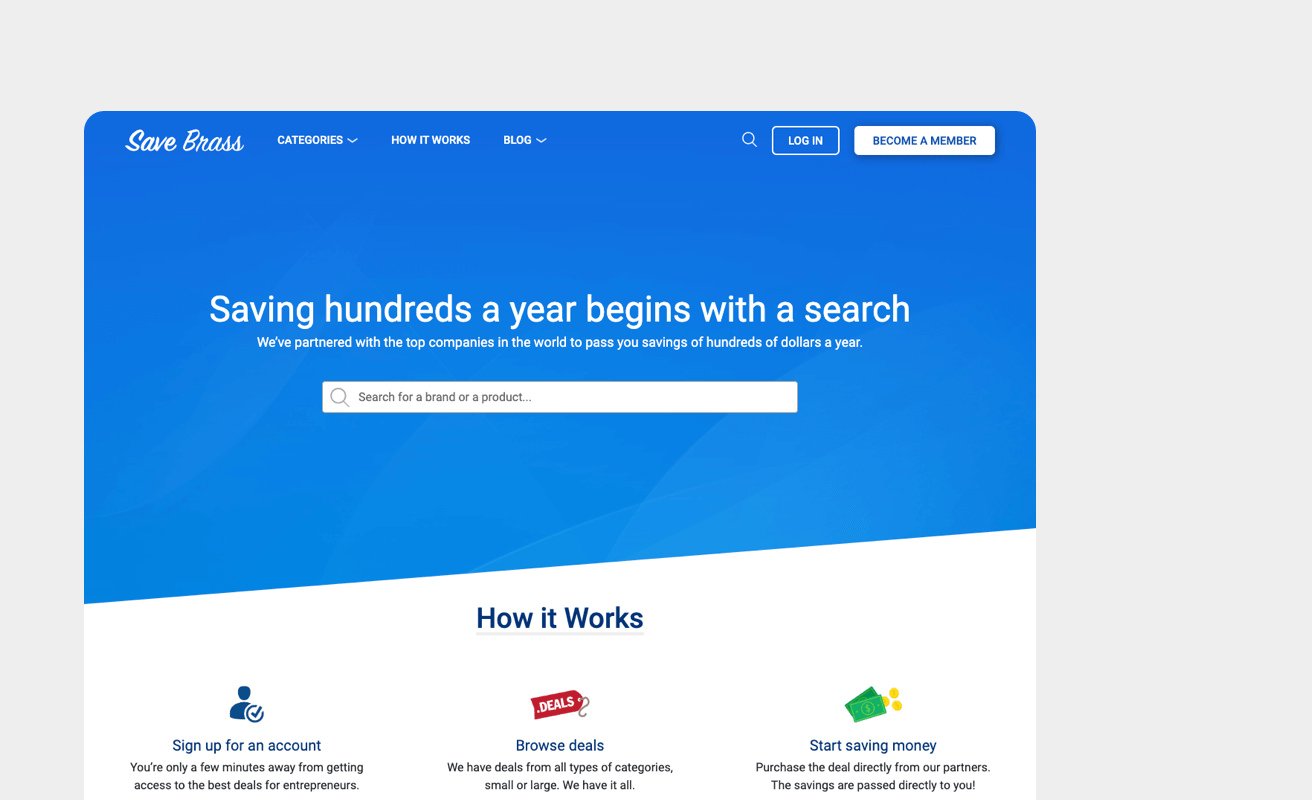
- Save Brass Web Development
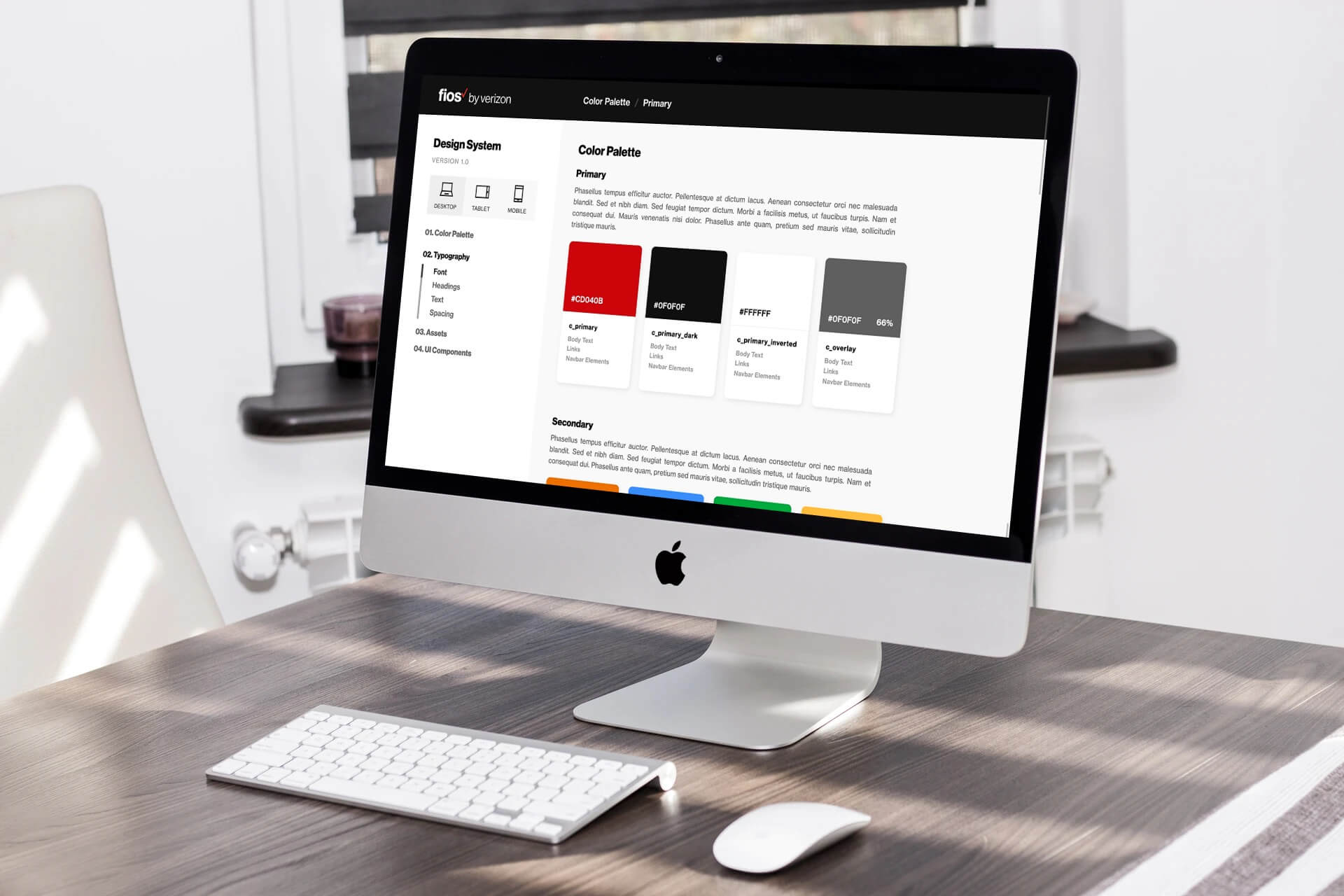
- Fios Design System Frontend Development
- Life on Fios Frontend Development
- Outfit Barn Web Development
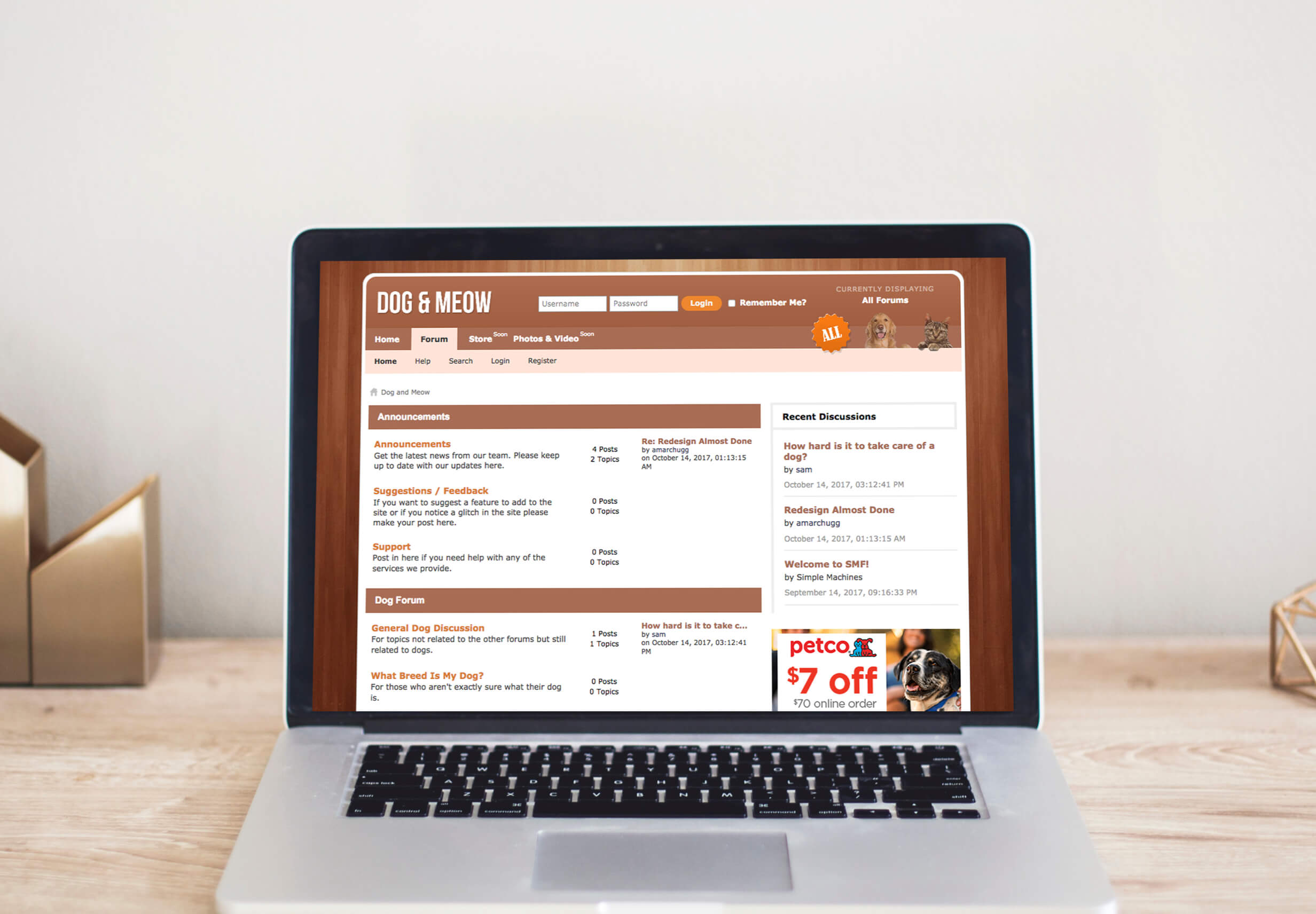
- Dog & Meow Web Development
- Waist Shaper Co Web Design
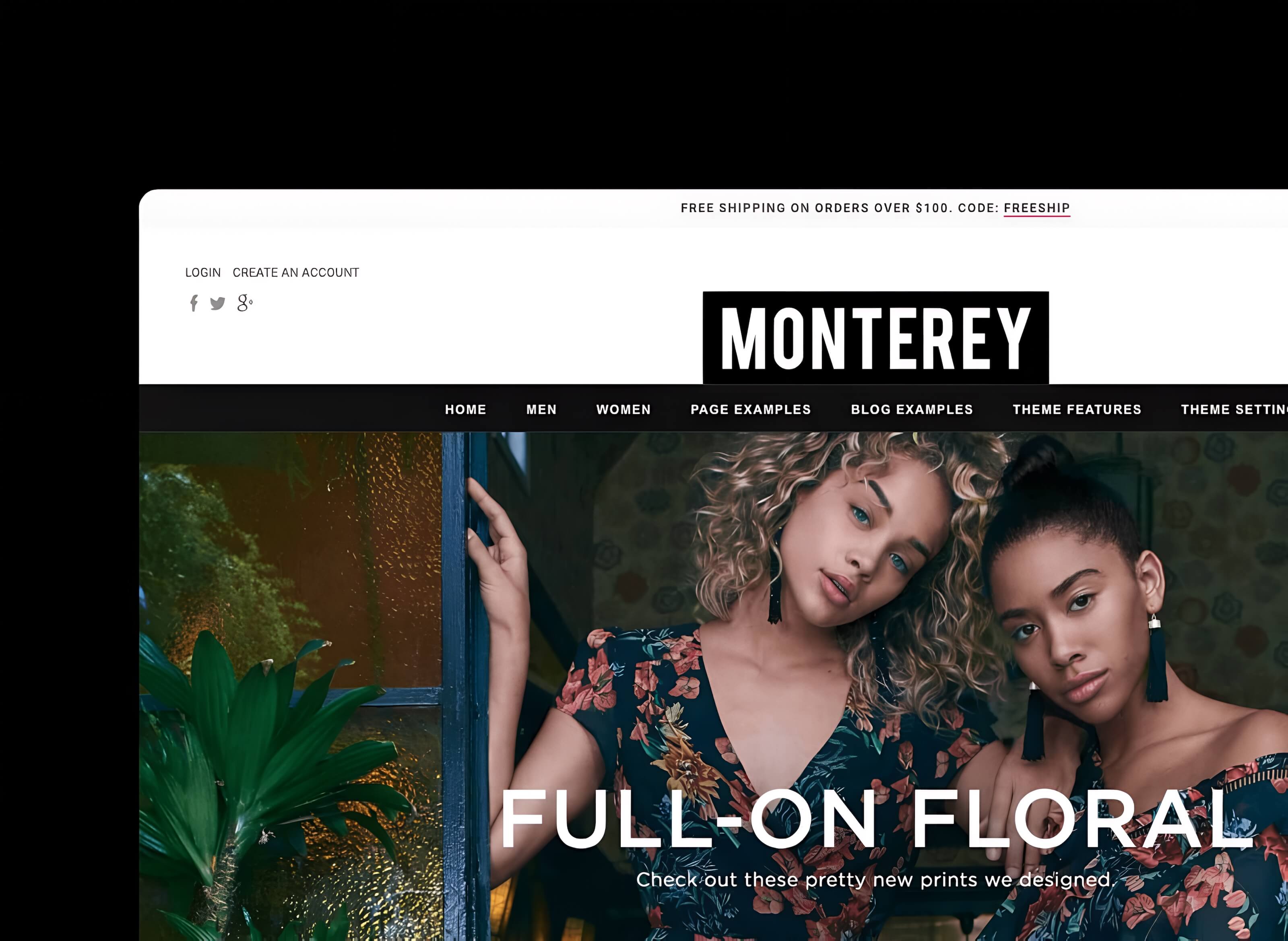
- Monterey Web Development
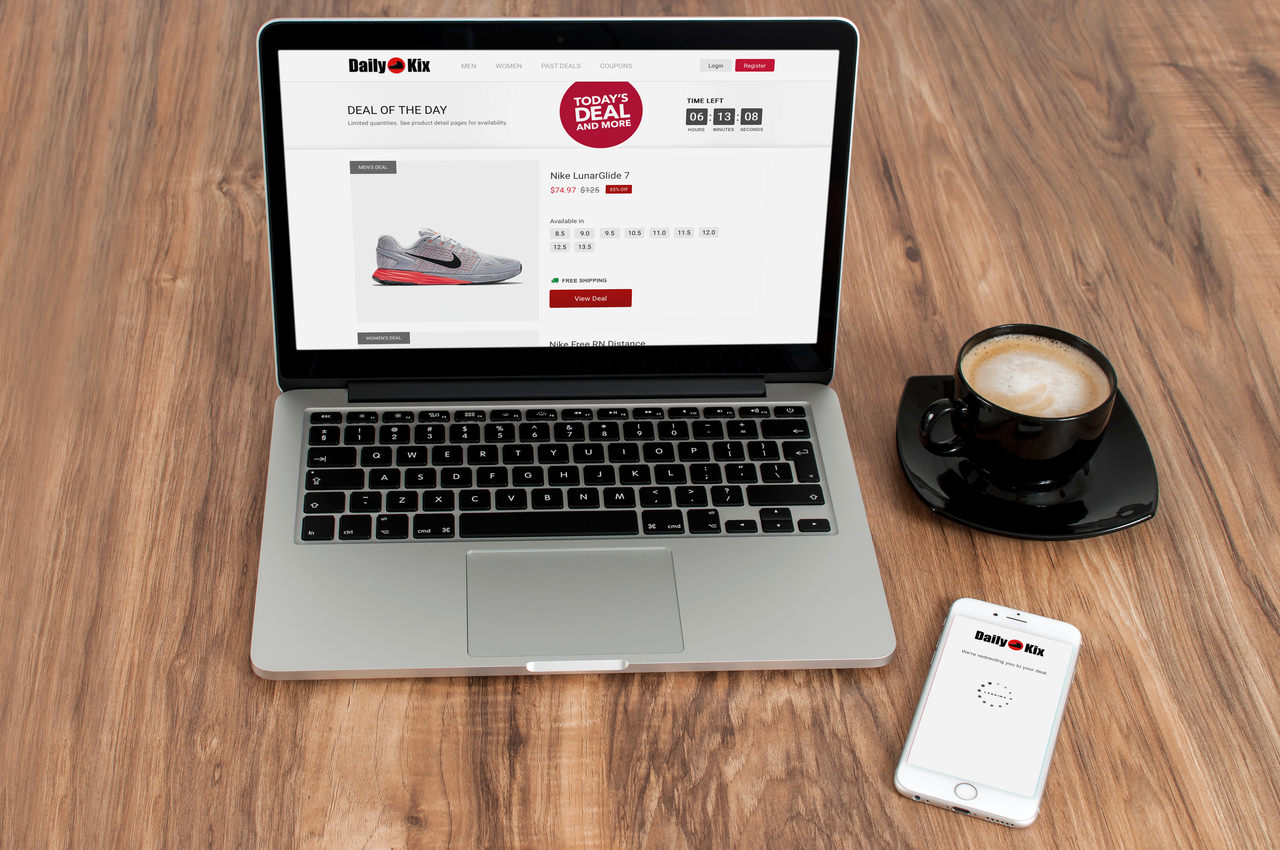
- Daily Kix Web Development
- Fashionallo Web Development
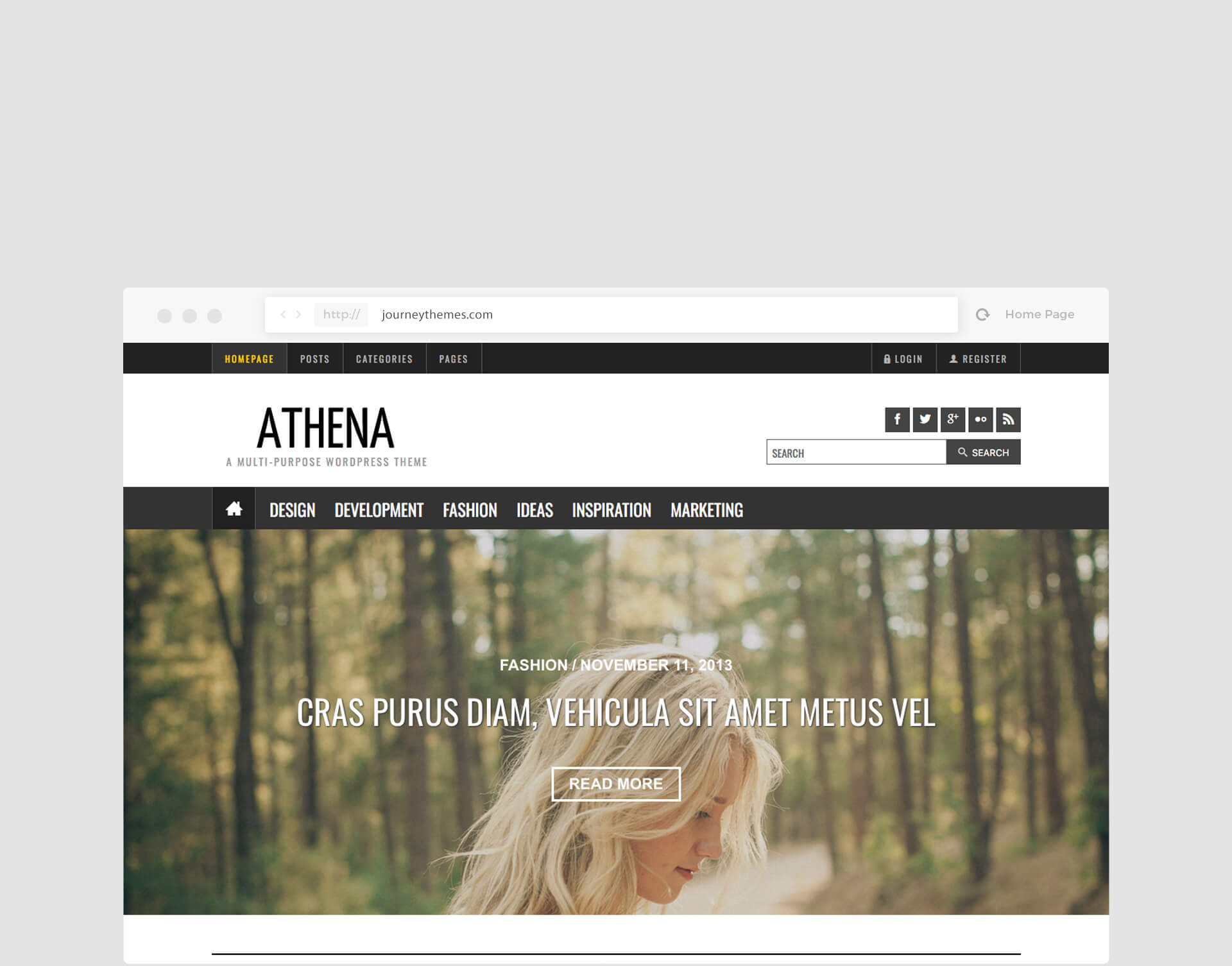
- Athena Web Development
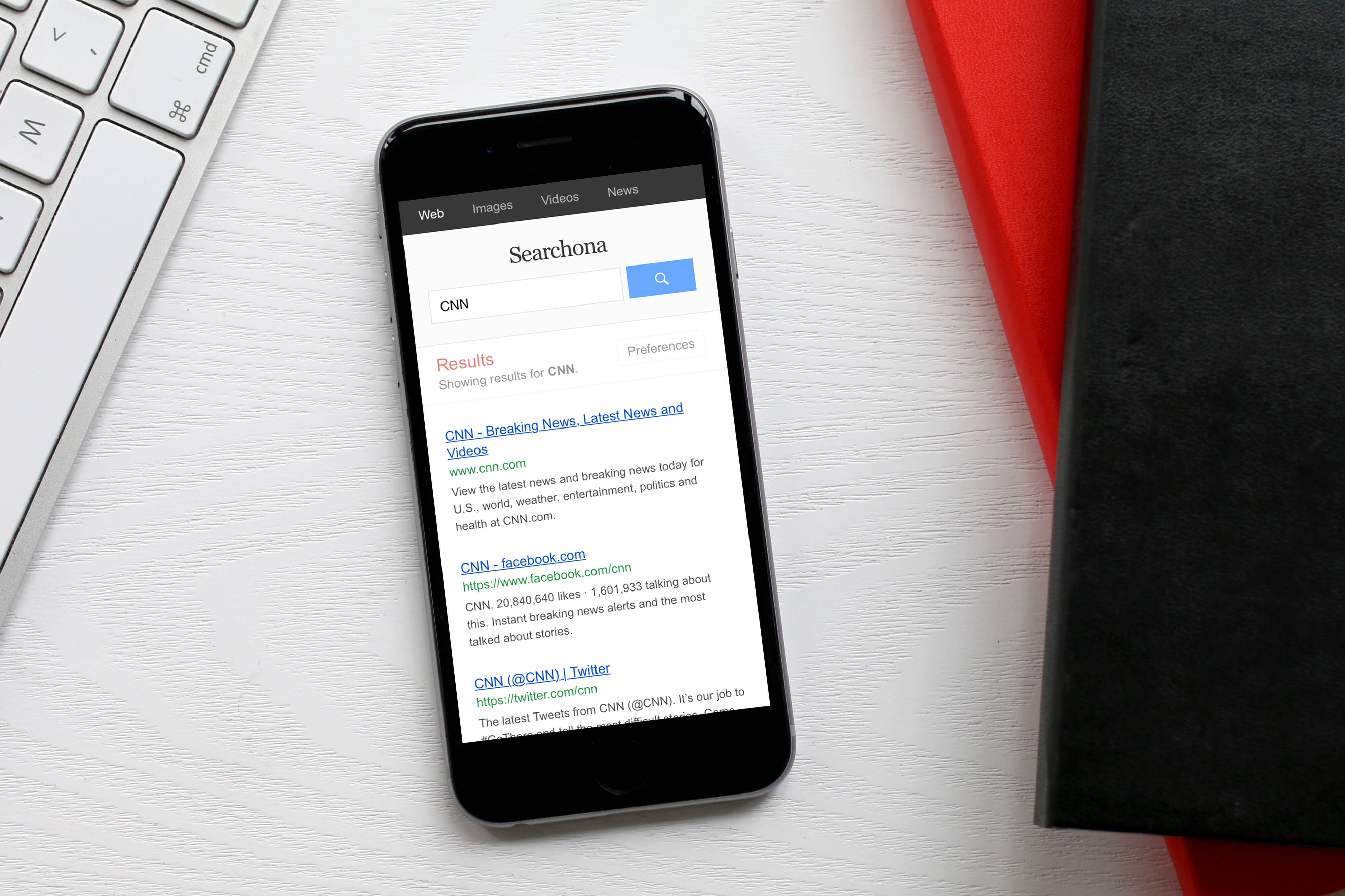
- Searchona Web Development
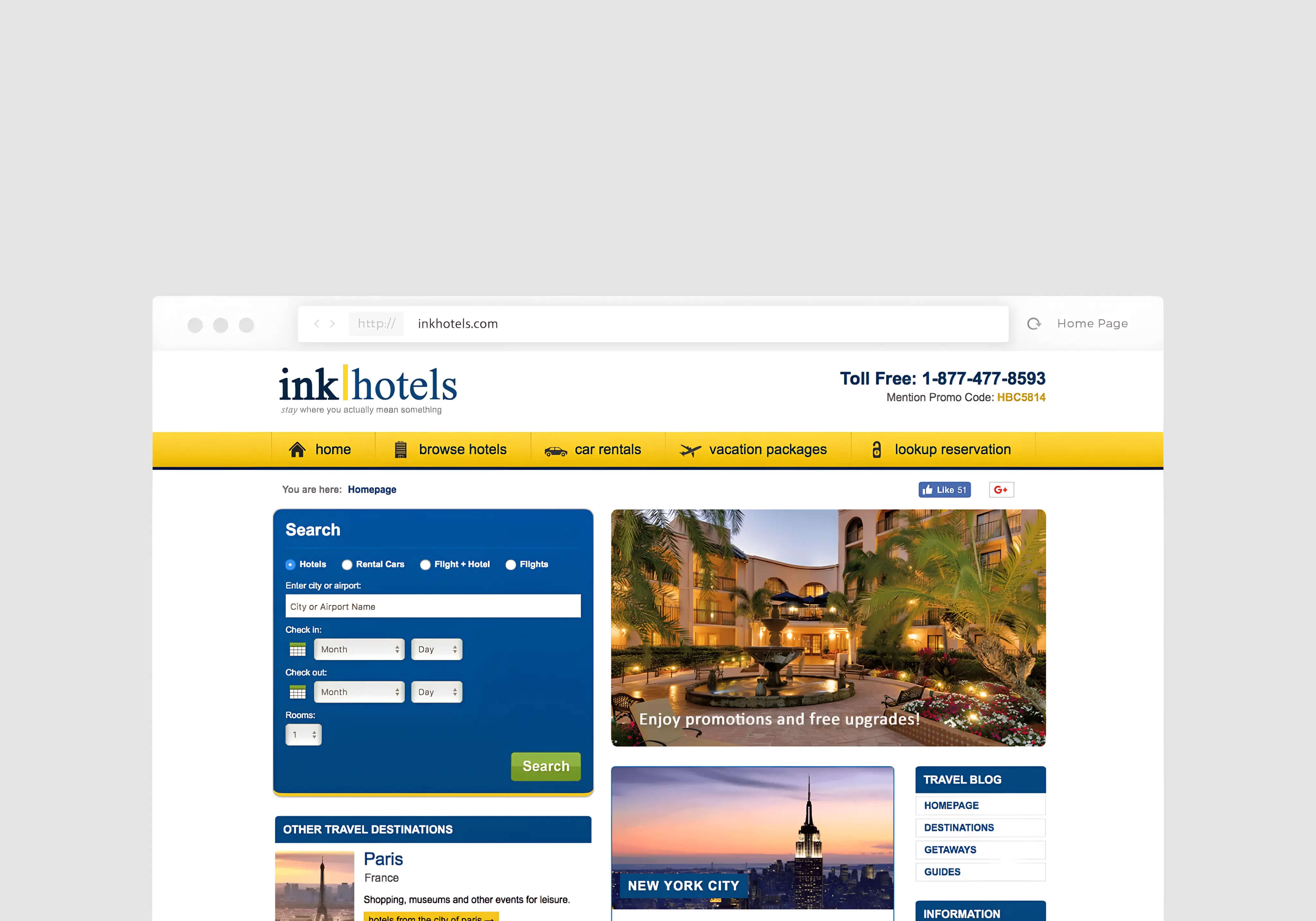
- InkHotels Web Design
Design and Development
Searchona
01 Background
Search is one of the most infrastructure-heavy products on the internet. Building a competitive search engine from scratch (the crawling, the indexing, the ranking) is not a realistic endeavor for a small team. But building a great search experience on top of infrastructure that already exists is a different problem entirely, and one that is very much solvable.
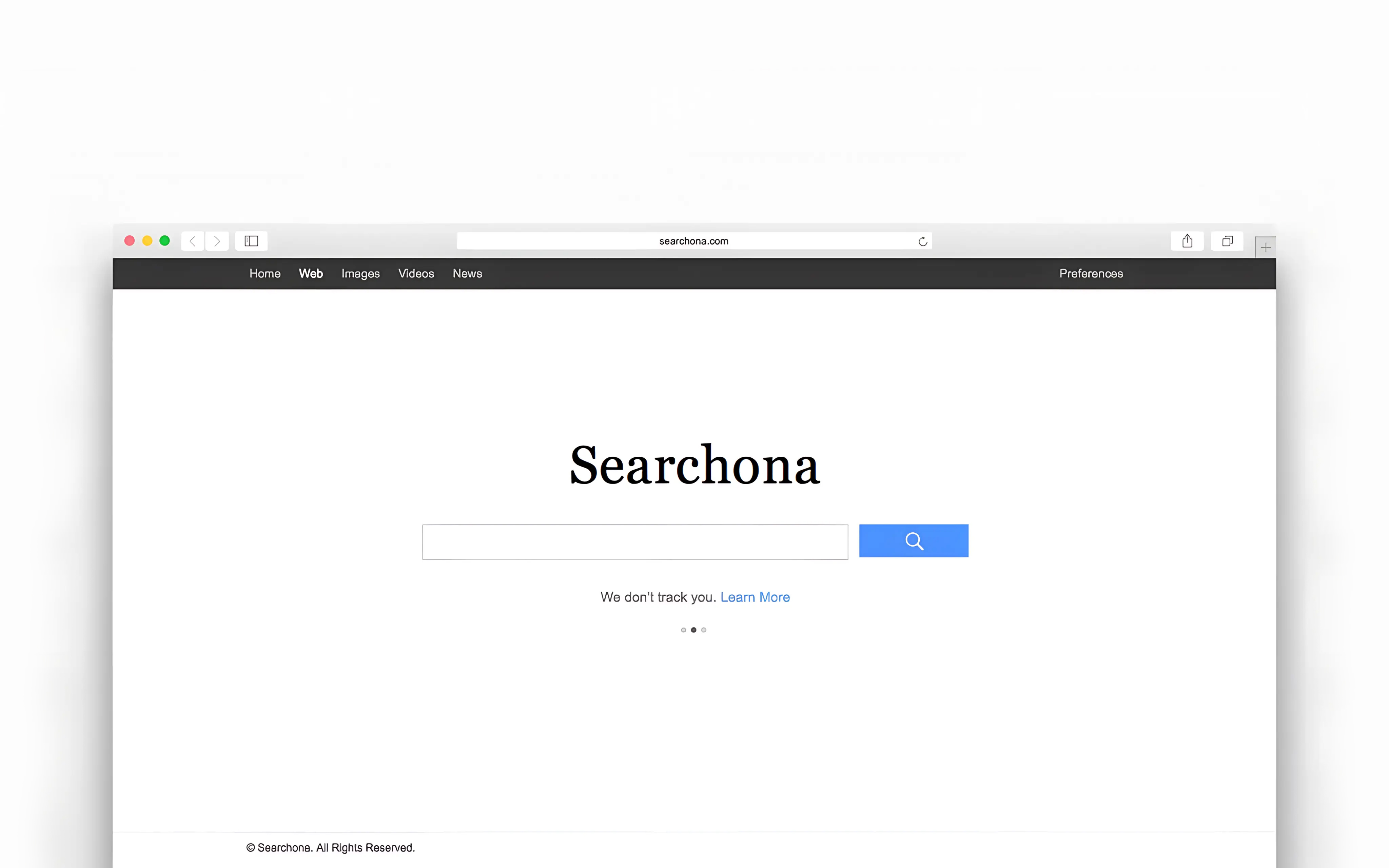
Searchona was built on that premise. By leveraging the Bing Search API through Microsoft, we had access to a comprehensive, maintained SERP database without needing to build or operate one. That freed us to focus entirely on the experience layer: what the results looked like, how they were organized, what privacy meant in practice, and what a search product could do that the incumbents were not doing.
The name said it all. “Ona” from “una,” meaning one. One search is all you need. The idea was a single place that gave you access to every engine, not a replacement for the ones that already existed.
Company
Searchona
Timeline
8 months (2013–2014)
Role
Full Stack Developer
Platforms
Desktop Web, Mobile Web
Stack
HTML, Javascript, JQuery, CSS, PHP, API
Tools
VS Code, Sketchapp, Invision, Adobe Photoshop, Github
02 Idea
Privacy, customization, and one search to rule them all.
The concept had three distinct pillars. The first was privacy and security. Most major search engines build detailed profiles of their users over time. Searchona was designed from the start to emphasize a more private search experience, without the tracking and behavioral data collection that users had come to accept as the cost of using a free product.
The second was customization of the results experience itself. Because we owned the interface, we could experiment with how search results were displayed. We explored showing thumbnail images pulled from the linked pages, displaying favicons alongside results for faster source recognition, and generally asking what a results page could look like if it was not constrained by decades of convention.
The third was interoperability. A persistent criticism of any new search engine is that its results are not as good as Google. Rather than pretending otherwise, we built a feature that let users jump directly from Searchona results to the same query on Google, Yahoo, DuckDuckGo, or any other major engine. If our results did not satisfy you, getting to one that would was a single click away.
The core idea
One search is all your need because if you don't find what you're looking for, other search engines are an easy click away.
Privacy
Security and privacy first
Built with a commitment to not tracking or profiling users, positioning Searchona as a search product that respected its users' data rather than monetizing it.
Results
Customized results display
Experimented with thumbnail images from linked pages and favicon display to create a results experience that was more visually informative than the standard blue link format.
Interoperability
Jump to any engine
A first-class feature that let users take their query directly to Google, Yahoo, DuckDuckGo, or others with a single click, making Searchona a hub rather than a walled garden.
Monetization
Owned advertising platform
Because we controlled the interface, we could build and sell our own ad placements, creating a revenue stream to cover API fees and server costs without compromising the user experience.
03 Solution
A search experience built entirely from the interface up.
The technical approach was to use the Bing Search API as the data layer and build everything the user interacted with on top of it. This gave us full control over the results page design, the navigation, the display options, and the advertising surface without needing to manage the underlying search infrastructure.
The results page was designed to feel distinct from incumbents while remaining immediately familiar. Search is a deeply habituated behavior and a results page that felt foreign would create friction. The goal was to introduce improvements like thumbnails, favicons, and the engine-switching bar in ways that felt additive rather than disruptive to the basic search flow.
The advertising layer was built as a self-contained system. Owning the interface meant owning the ad placements, which meant we could define the format, control the inventory, and capture the revenue that would otherwise go to the API provider. That self-sustaining model was what made the economics of running the platform viable.
04 My role
What it took to build a search engine experience solo.
I designed and developed Searchona end to end. That covered the product concept, the visual design of the search and results experience, the front-end development, the Bing API integration, and the advertising layer. Working solo on a product of this ambition meant making a lot of decisions quickly and learning the constraints of API-dependent product development in real time.
The most interesting design challenge was the results page. Search results are one of the most iterated-on interfaces in the history of the web, and the conventions are deeply embedded. Deciding which conventions to keep, which to question, and how to introduce new elements without creating confusion required genuine care about how people actually use search rather than just how they might ideally use it.
Searchona did not reach the scale we hoped for before the API changes forced the issue. But the thinking behind it was still sound: a privacy-respecting, interface-first search experience that treats other engines as allies rather than competitors. The 2026 relaunch will build on everything learned from the first version.